エピソード

  • What’s Happening in Beaconsfield? Taxes, Housing & Major Projects | Beaconsfield Mayor Update
    2026/04/03
    Beaconsfield at a Turning PointIn this episode, Scott sits down with Beaconsfield Mayor Martin St. Jean for a wide-ranging conversation about the issues shaping the city right now. They discuss what has happened during the mayor’s first hundred days in office, the major infrastructure projects now moving forward, and the difficult balance between adding housing and preserving the character that makes Beaconsfield unique.Mayor Martin St. Jean Reflects on His First 100 DaysMayor St. Jean explains that one of the biggest challenges of his first hundred days has been stepping into a new leadership role after serving as a city councillor. He also highlights the work involved in helping three new council members get up to speed on ongoing files and city priorities. At the same time, he points to a major early accomplishment: awarding the contract for the long-awaited cultural centre in Centennial Park, a project that will now begin moving toward construction.The $22 Million Agglomeration Tax DisputeOne of the biggest topics in the conversation is the ongoing agglomeration tax dispute with the City of Montreal. Mayor St. Jean shares that Beaconsfield has now secured trial dates in early 2028, creating a clear timeline for the next stage of the legal process. He explains that even though Beaconsfield saw a small reduction in its share of agglomeration costs this year, the city still believes it is paying millions more than it should under the original 2008 agreement. As a result, the city has increased its claim from $20 million to $23 million and continues to make its payments under protest.How the City Would Use Recovered FundsIf Beaconsfield is successful in recovering some of those overpayments, the city has not yet decided exactly how the money would be used. Mayor St. Jean says that options could include infrastructure spending, reducing debt, or other community priorities. He stresses that any future decision would benefit from input from council, the finance committee, and residents.Why Resident Input MattersA major theme throughout the episode is the importance of public participation. Mayor St. Jean speaks about the value of Beaconsfield’s consultative committees, including finance, traffic, environment, and culture and leisure. He explains that these committees allow residents with expertise and interest to help shape decisions, rather than leaving council to operate in isolation. He also emphasizes that public consultations will continue to play a major role in how the city plans for the future.The New Cultural Centre at Centennial ParkThe mayor provides an update on the new cultural centre, one of Beaconsfield’s most significant upcoming projects. Construction is expected to begin in late spring or early summer, with completion targeted for summer 2028. During the build, the city plans to keep the marina operational, while Centennial Hall will remain open and accessible to residents. He also notes that the final site plan will actually increase the amount of green space by merging existing lots and building on land that is already paved.Keeping the Project on BudgetRecognizing that many residents are wary of cost overruns on large public projects, Mayor St. Jean outlines why the city feels confident about the cultural centre budget. He explains that the awarded contract includes contingencies of roughly 10 percent and that the project came in only slightly above earlier estimates. With 12 competitive bids received, the city sees that as a strong sign that the project was designed and priced responsibly.What Could Happen to the Old Library BuildingThe future of the current library building has not yet been decided. Mayor St. Jean says the city has time to evaluate options before the new cultural centre opens. Possibilities include additional administrative space for city operations, community-oriented uses, or a mix of both. He connects that discussion to the city’s broader strategic planning process, which will look at Beaconsfield’s medium- and long-term needs.Rec Centre Renovation PlansThe conversation also covers the long-awaited renovation of the Rec Centre. Mayor St. Jean explains that the city is preparing for a major overhaul that will include a rebuilt pool area, new change rooms, updated plumbing and electrical systems, and improvements to the arena side as well. Rather than demolishing and rebuilding the structure entirely, the city chose a renovation path that preserves the existing structure while delivering significant upgrades at a much lower cost.Windermere Park RedevelopmentAnother important project on the horizon is Windermere Park. The city has already conducted surveys and community outreach to better understand what local residents want from the space. New concepts are expected to be presented, followed by another round of consultation, before the city moves toward formal plans and tendering. Work there is likely to take shape later than the other major projects, ...
    続きを読む 一部表示
    55 分
  • The Downsizing Plan Most Homeowners Skip (And Regret Later)
    2026/03/05
    Why Downsizing Needs More Than a Real Estate PlanIn this episode, Scott and Sean continue their Downsizers Series by pulling back the curtain on the advisory systems and planning process they use to help homeowners navigate a downsizing move with more clarity and less stress. The conversation makes one thing clear from the start: downsizing is rarely just about selling a house and buying another one. It is a lifestyle transition with financial, emotional, logistical, and family implications.They explain why so many homeowners feel overwhelmed. There are too many moving parts, too many decisions, and too many services that sit in isolation. What people often need most is not another vendor, but a clear, integrated plan.The First Step: Clarify Your WhyOne of the strongest themes in the episode is the importance of understanding why someone wants to downsize in the first place. Scott and Sean explain that this step is often skipped, and that skipping it creates problems later.For many downsizers, the core motivation is freedom. That can mean freedom from home maintenance, freedom to travel, freedom to be closer to family, or freedom to unlock equity tied up in a larger home. For others, it is about reducing friction in daily life while still keeping the features that matter most, such as entertaining space, outdoor access, or proximity to community.They stress that homeowners need to define what matters most before looking at properties. Without that clarity, it becomes easy to get distracted by appearances and make a move that does not truly fit the next stage of life.The Rush Trap That Creates Stress and RegretA major highlight of the episode is their discussion of what they call the “rush trap.” This happens when someone starts visiting condos or homes before they understand the full picture.Scott and Sean describe how often people fall in love with a property first, then suddenly realize they still need to prepare, price, and sell their current home, sort through decades of belongings, and figure out the financial side of the move. That is when the process becomes reactive, stressful, and expensive.They also point out that rushing can lead to poor lifestyle choices. Some homeowners move into a condo because it looks appealing, only to realize later that condo living, the building itself, or the neighborhood are not the right fit. The message is simple: slowing down is often the fastest way to make a better decision.Downsizing Is About Lifestyle, Not Just Square FootageAnother key takeaway is that downsizing is not always about going as small as possible. Scott and Sean explain that many homeowners want fewer rooms, but not necessarily smaller ones. The goal is often better use of space rather than less space at all costs.They explore how lifestyle needs shape the right move. For some people, that means one-level living in a bungalow. For others, it means a condo with less maintenance. For some, it may even mean renting to preserve flexibility. They share examples of clients whose choices were influenced by travel habits, family needs, entertaining style, and the desire to stay close to certain amenities like golf clubs or walkable village areas.The discussion reinforces the idea that there is no one-size-fits-all solution. The right move depends on the homeowner’s stage of life, priorities, finances, and future plans.The Value of Planning EarlyThroughout the episode, Scott and Sean make a strong case for planning well in advance. They explain that some of the most successful downsizers they have worked with started the process one or even two years before they intended to move.That extra time creates room to think clearly, spread out the work, make better decisions, and avoid panic. It also gives homeowners more time to prepare their home properly, explore their options, gather documents, and bring in the right professionals at the right stage.They contrast this with reactive situations, where a flood, illness, or sudden health event forces a family to act quickly. In those cases, the emotional and logistical burden often falls heavily on adult children, adding stress during an already difficult time.Real Stories That Show the DifferenceThe episode becomes especially powerful when Scott and Sean compare proactive planning with forced decision-making. They share how their own parents approached downsizing in stages, starting with decluttering and moving into a bungalow that better suited retirement living while still allowing them to host family gatherings.Later, when health changes came, there had already been conversations, legal planning, and preparation in place. That made future transitions easier and less chaotic.They also speak candidly about Sean’s father-in-law, whose resistance to moving delayed the process until illness and cognitive decline made everything far more difficult. That story highlights the real cost of postponing important conversations and decisions. It is not just ...
    続きを読む 一部表示
    58 分
  • The Right Way to Downsize Without Regret
    2026/01/08
    Most people assume downsizing is difficult because it’s sentimental. Scott and Sean agree the emotions are real, but they’re rarely the main source of stress. The real problem is that many homeowners start too late, rush decisions, and do things in the wrong order. This episode reframes downsizing as a planning project, not a reaction, and walks through what to do first so you keep your options open later.The Biggest Mistake: Downsizing Without ClarityA common scenario is homeowners deciding they “need to sell” before they’ve defined why they’re moving and what they actually want next. Scott and Sean explain that rushing into a condo purchase or locking in a next step too early often leads to regret a year or two later. The goal is to slow down and get clear on the “why” before choosing a property type or timeline.Not All Downsizers Are the SameDownsizers aren’t one demographic. The conversation covers younger downsizers whose kids have recently left home, as well as seniors staying in family homes well into their 80s and 90s. Each profile has different motivations and trade-offs. Some want less maintenance, some want fewer stairs, some want a location shift, and many are reacting to fatigue from major home issues like flooding, roof leaks, or ongoing upkeep.“I Don’t Want Smaller Rooms, I Want Less Rooms”Scott and Sean share how their mom’s downsizing journey revealed a key insight: many people don’t want to shrink their lifestyle, they want to simplify it. Early on, she wanted fewer rooms but still needed space for family gatherings. Later, her priorities changed and she no longer wanted to be the host. This section highlights how downsizing needs change over time, which is why planning early matters.Where Are You Going Next: The Question That Drives EverythingThe number one hesitation they hear is uncertainty about the next home. People worry about what the new space will feel like, whether it fits their routines, and whether the location matches their lifestyle. The episode emphasizes that you can’t build a smart timeline without first exploring where you want to live and what type of home truly fits your next chapter.The Financial Reality: Downsizing Can Be a Lateral MoveMany homeowners expect to “cash out” equity by moving into something smaller. Scott and Sean explain why that often doesn’t happen, especially when the next home is newer, in a walkable area, or in a highly desirable pocket. By the time the purchase price and moving costs are calculated, the financial result can feel surprisingly flat. This is why they encourage people to run realistic net proceeds calculations early, then compare that number to real purchase options.Preparing Your Home Strategically: Inspections, Planning, and ROIThey stress the value of starting with an accurate opinion of value and a pre-listing inspection. This gives homeowners visibility into what buyers may uncover later and allows fixes to be planned over time. They also talk about smart cosmetic improvements that can pay off when done intentionally, including decluttering, depersonalizing, paint, and targeted design updates. The guiding principle is to invest only when the return makes sense, not when it feels urgent.Build the Right Team Early: Realtor, Family, Financial AdvisorA recurring theme is that downsizing decisions improve when homeowners surround themselves with the right people early. Scott and Sean recommend involving family from the beginning to reduce conflict later, especially when adult kids are emotionally attached to the family home. They also encourage bringing in financial planners and accountants early, because the feasibility of the move often comes down to timing, cash flow, and total cost.Buy First vs Sell First: The Trade-Off Most People UnderestimateThey break down why buying first offers comfort and choice but requires financial flexibility. Selling first reduces risk but introduces time pressure and can force short-term renting if the right property doesn’t show up in time. Scott and Sean suggest longer closings when possible to buy more time, and they normalize renting as a strategic move that can relieve pressure and help people “try on” a new lifestyle before committing.Bridge Loans, Lines of Credit, and Financing MisconceptionsA key highlight is the misconception that a bridge loan solves the buy-before-sell problem for cash buyers. They explain why bridge financing typically requires a mortgage component and why many downsizers need to explore alternatives like a line of credit secured against their current home. They also caution that approval isn’t guaranteed, especially for retirees without income, which reinforces the need to plan financing early.Condo Downsizing: Fees, Special Assessments, and Due DiligenceScott and Sean explain that condos can be more expensive than many people expect once fees, taxes, and potential special assessments are factored in. They warn that some ...
    続きを読む 一部表示
    55 分
  • Beaconsfield Election 2025: Martin St-Jean on Transparency & Good Governance
    2025/10/17

    Beaconsfield heads toward a pivotal municipal election on Sunday, November 2. This episode digs into housing options, transparency at city hall, fiscal responsibility, and how decisions actually move from idea to action. The goal is simple: give residents clear context before they vote.

    Who Is Martin St-Jean

    A Beaconsfield resident since 2009, Martin is a lawyer focused on municipal law, ethics, and governance. He previously served in senior legal roles for Montréal and Westmount, including work connected to the Charbonneau Commission. Elected to Beaconsfield council in 2021, he argues that council experience equips him to “hit the ground running” on day one.

    Vision For Growth And Housing

    Martin supports “gentle” density in targeted nodes without changing Beaconsfield’s single-family character. He highlights opportunities near Beaurepaire Village and around the shopping mall and train station, where mixed-use and transit-adjacent homes could create options for downsizers and young families. He stresses pacing, location, and fit with neighborhood context over blanket up-zoning.

    Transparency Residents Can See

    Residents want to know how decisions are made, not just how votes are counted. Martin proposes publishing succinct caucus topic summaries, next steps, and mandates given to administration. He points to Westmount’s practice as proof that clearer communication is workable and helps reduce confusion and division.


    Putting Numbers In Plain Language

    Major contract approvals often feel abstract. Martin wants the city to explain scope, cost versus estimates, market conditions, timelines, and the specific streets or sectors affected. He believes residents accept costs more readily when they understand what they’re paying for and when the work will happen.


    Lessons From Recent Developments

    The Atomas project near the mall illustrates both the promise and pitfalls of private development. Martin notes new bylaw tools that push promoters to build within stated timelines. The Elm Plaza experience underscored the need for early engagement. His takeaway is direct: communicate early, listen actively, and adapt projects to the community rather than asking the community to adjust to a fixed plan.


    Clearer Rules For Permits And Design

    Architectural integration decisions are inherently subjective. A citizen committee evaluates fit with the streetscape, and projects may need multiple iterations. Martin supports keeping this resident-driven review while clarifying expectations to cut repeat submissions and speed decisions, even when the answer is no.


    The Agglomeration And The Lawsuit

    Beaconsfield’s legal challenge over the agglomeration cost-sharing remains active and, in Martin’s view, strong. He favors staying the course while building a united front with demerged municipalities to seek fairer governance and taxation. He frames the current agglomeration voting structure as imbalanced and calls for reforms that give residents a meaningful voice.


    Patience, Process, And Priority Setting

    City projects take time. Between budgeting, social acceptability, and design, progress is incremental by design. Martin argues that steady evolution—not upheaval—delivers durable results, provided the city communicates each step clearly and invites residents into the process earlier.


    A Call To Participate

    Turnout is historically low in municipal elections. Martin urges residents to learn about each candidate, engage with the ideas, and vote. With a new mayor guaranteed and several council seats turning over, the choices made now will shape Beaconsfield’s next chapter.


    Connect With The Guest

    Phone: (514) 791-6674

    Email: martin@mst-jean.ca

    Website: https://mst-jean.ca/en/contact-me/

    Facebook: https://www.facebook.com/Beaconsfield.Mayor.2025/

    続きを読む 一部表示
    46 分
  • Frank Merhar on Beaconsfield’s Future: Growth, Taxes, Transparency
    2025/10/17

    Scott sits down with Beaconsfield resident and mayoral candidate Frank Merhar to talk growth, transparency, and the practical steps needed to fund and deliver city projects. The conversation focuses on how to modernize services without losing the city’s character, and how clearer rules can reduce friction for residents and small businesses.

    Why Frank Is Running

    Frank traces his long ties to Beaconsfield and shares a story about finding a four-leaf clover on the day he filed his candidacy—an encouraging nudge from his late mother. He frames the campaign around service, collaboration, and problem-solving at street level.

    Vision for Smart Growth

    Beaconsfield needs growth that matches its scale. Frank supports mixed-use, village-style development, with moderate height and neighborhood-friendly design. He points to examples like Pointe-Claire’s village as models for revitalizing local commerce while keeping a small-town feel.

    Permits and Planning That Work

    Residents and entrepreneurs should face clear, consistent rules. Frank calls for a predictable permitting process, an end to moving goalposts, and design guidelines that are transparent and easy to follow. The goal is to encourage investment instead of scaring it away.

    Housing Choices Without High-Rises

    The city needs more options for seniors, downsizers, and young families. Frank supports modest townhomes and low-rise, mixed-use buildings near services—walkable, human-scale, and aligned with Beaconsfield’s character.

    Infrastructure and Flood Readiness

    Growth depends on reliable infrastructure. Frank outlines upgrades to water supply, sewer capacity, stormwater management, and selective undergrounding of utilities near the tracks. He links these projects to long-term resilience and day-to-day quality of life.

    Financing Beyond the Tax Bill

    New revenue should not fall only on homeowners. Frank proposes sponsorships for civic facilities, user fees for non-resident amenities, targeted grants, and donor partnerships—structured with strict oversight and public reporting.


    Transparency and Communication

    City Hall must share more than vote tallies. Frank backs detailed summaries of committee work, timely release of meeting minutes, and accessible reporting on big files. Legal and privacy limits apply, but the default should be open.


    Safety and Accessibility

    Safer crossings, better signage, and smarter traffic calming can protect walkers and cyclists. Frank supports modern crosswalk tech, stronger enforcement near schools, and upgrades on key corridors like Lakeshore.


    Big Projects: Rec Center and Centennial Plan

    Frank supports strong community assets but wants hard numbers before shovels hit the ground. He calls for tighter cost controls, clearer tenders, and diversified funding so major builds don’t strain residents.


    Regional Issues and Lawsuits

    Frank supports resolving the agglomeration dispute with fresh eyes and a collaborative tone. He questions the volume of resident-targeted legal actions and favors case-by-case review to reduce waste and rebuild trust.


    Final Takeaway

    Beaconsfield can grow while staying Beaconsfield. With clear rules, transparent decisions, and reliable infrastructure, the city can welcome new homes and businesses, protect its neighborhoods, and keep costs in check.


    Connect with the Guest

    Learn more and reach out to Frank on Instagram: https://www.instagram.com/cfmerhar/?hl=en

    続きを読む 一部表示
    57 分
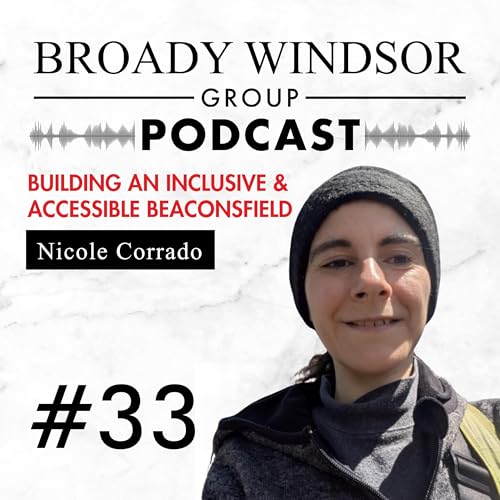
  • Inside Mayoral Candidate Nicole Corrado’s Vision for a More Inclusive & Accessible Beaconsfield
    2025/10/17

    Nicole moved to Beaconsfield in 2023 seeking a quieter, community-focused life after Toronto. She’s running for mayor to ensure voters have a real choice and to push for a city that’s accessible, inclusive, and transparent. Her platform is shaped by lived experience, including navigating the city without a car and advocating for residents who are often overlooked.

    Accessibility and Transit

    Nicole highlights safety concerns on key arteries and the need for more frequent, connected public transit. She proposes new bus routes along Elm Street and Beaconsfield’s north–south corridors to better link neighborhoods and services. She also calls for practical accessibility upgrades at train stations, from simple ramps where feasible to larger infrastructure projects funded with provincial support.

    Open Government and Real Participation

    City decision-making should be visible and accessible. Nicole would open currently closed committee meetings to the public and offer hybrid Zoom access using webinar controls to enable safe, interactive participation. She points to Halifax as a proven model and argues that transparency helps residents understand budgets, priorities, and outcomes.

    Animal Services with Heart

    Beaconsfield’s small pound is underused and invisible to residents. Nicole proposes transforming it into a public-facing hub: a pet food and supply bank, microchip and vaccine clinics supported by donations, and an education room in partnership with the library. She would collaborate with regional and national organizations to promote humane education and coexistence with wildlife.


    Affordability and Inclusive Housing

    Affordability is a growing concern across the city. Nicole supports ending “no-pet” clauses locally where possible, encouraging accessible design in any new builds, and creating a registry of accessible and pet-friendly rentals. Rather than large luxury projects, she favors gentle density: legalizing more basement, garage, and attic apartments, and adding mixed-use zoning so upper floors of commercial buildings can become homes.


    Safer, Smarter Community Response

    Many police calls relate to mental health, not crime. Nicole proposes a civilian, health-led crisis response modeled on Toronto’s Community Crisis Service, operated through health agencies and social workers rather than police. She would also restore volunteer search-and-rescue capacity to complement first responders and reduce policing costs tied to non-criminal calls.


    Neuroinclusion and Local Hiring

    Inclusion means more than services—it includes who gets hired. Nicole supports paid roles for neurodivergent residents across city departments and applauds steps toward a neuro-affirming new library. Her goal is a municipal workforce that reflects the full diversity of Beaconsfield.


    Preserving Green Space and Managing Water

    Angel Woods and other natural areas are essential for well-being and wildlife. Nicole supports preserving forests, daylighting culverted streams where feasible, and using “sponge city” strategies—wetlands, marsh and bog gardens, permeable surfaces—to reduce flooding. She encourages residents and the city to adopt nature-based water management on private and public land.


    Food Security and Dignity

    Healthy food should be accessible. Nicole proposes expanding community gardens and supporting affordable markets in both Beaurepaire and Beaconsfield North. She points to successful dignity-based models that combine donations with choice, allowing families to shop for fresh, nutritious options at subsidized prices.


    A Five-to-Ten-Year Vision

    Nicole wants a Beaconsfield where people of all ages, abilities, incomes, and backgrounds feel seen and supported. She imagines connected transit, open decision-making, humane animal care, gentle infill housing, responsive mental health services, and protected green space—delivered through practical steps and broad collaboration.


    Get Involved and Stay Informed

    Residents can engage by attending council and committee meetings, participating in public consultations, and sharing local lived experiences—especially on accessibility, affordability, and inclusion. Nicole invites constructive dialogue and collaboration with community groups, schools, and regional partners.


    Guest Links & Contact | Nicole Corrado

    Website: https://nicolecorradoartist.wordpress.com

    Email: ntcorrado@rogers.com

    Téléphone: (514) 601-0259

    続きを読む 一部表示
    40 分
  • Inside Greg Orleski’s Run for Mayor: A Vision for Beaconsfield’s Future
    2025/10/13

    Host Scott Broady sits down with longtime Beaconsfield resident and mayoral candidate Greg Orleski to unpack how the city can evolve without losing what makes it special. The conversation covers growth, fiscal management, transparency at City Hall, densification around transit, and practical ways to fund infrastructure while protecting Beaconsfield’s green character and small-town feel.

    Why Beaconsfield Matters to Greg

    Greg shares why he chose Beaconsfield 25 years ago—nature, fresh air, water access, community spirit, and quality of life—and why those pillars are non-negotiable. His goal is to preserve them while guiding thoughtful, resident-driven change.

    A Vision for Growth Without Losing Our Soul

    Greg supports modernizing amenities and creating a vibrant cultural hub near Centennial Park and Lord Reading, while ensuring the park’s trees and beach stay intact. He emphasizes projects that enhance community life, keep the village feel, and attract small businesses without turning Beaconsfield into a high-rise city.

    Fiscal Responsibility and New Revenue Paths

    With a primarily residential tax base, Greg outlines a pragmatic approach: optimize city-owned assets like Centennial Hall and the rec center for revenue, aggressively pursue provincial and federal grants with ready-to-execute plans, and use partnerships and shared services with neighboring cities to reduce costs and stretch every dollar further.


    Transparency, Communication, and Trust

    Greg argues that communication is the foundation of good governance. He proposes a multi-platform strategy—regular town halls, open Q&As, Zoom sessions, and plain-language updates—so residents understand context before decisions are made. He favors opening caucus discussions to the public whenever legally possible, and clearly explaining any confidentiality limits.


    Smart Densification, Not High Rises

    Greg supports low-rise, human-scale housing near transit and key corridors such as St-Charles and Elm. The aim is to create options for right-sizers and young adults who want to stay local, while blending architecture with existing neighborhoods and encouraging mixed-use areas that support walkability and local shops.


    Safeguards for Development and Lessons Learned

    Referencing stalled or problematic projects, Greg stresses early community dialogue, sensible developer conditions, practical and enforceable contracts, and ongoing monitoring. He highlights resilience standards that reflect today’s climate realities, so new builds and infrastructure can handle heavier storms and flooding.


    A Faster, Clearer Path for Homeowners and Builders

    Greg wants a permit process that is predictable and time-bound. He suggests clear visual design guides by neighborhood, pre-submission meetings to align before filing, and published review timelines—protecting Beaconsfield’s character while reducing costly back-and-forth for residents and contractors.


    Collaboration That Delivers Results

    Drawing on his nonprofit leadership and coalition-building work in the West Island, Greg explains how shared vision, diverse partners, and grant readiness can unlock ambitious community projects. He believes these same tactics can fund Beaconsfield’s recreation upgrades and infrastructure needs sooner, not later.


    Negotiating the Agglomeration Dispute

    With decades of complex litigation experience, Greg favors pursuing negotiated outcomes that bring money back to Beaconsfield earlier—without abandoning the city’s claims—so funds can be reinvested into community priorities while avoiding years of uncertainty.


    Community Engagement Beyond Election Season

    Greg envisions ongoing conversations with residents—online and in person—so participation becomes habitual, not episodic. He wants the city to proactively invite passionate citizens into meaningful roles, turning engagement into momentum for projects that reflect Beaconsfield’s shared values.


    Election Day

    Residents are encouraged to learn the platforms, ask questions, and vote. A stronger community begins with informed participation when you head to the polls on Sunday, November 2.


    Connect with the Guest

    Contact Greg Orleski | (514) 825-3280, info@gregorleski.com

    Website: https://gregorleski.com/

    Instagram: https://www.instagram.com/gregoryorleski/

    続きを読む 一部表示
    49 分
  • What to Do When a Parent Becomes Incapacitated
    2025/09/30

    This episode explores why families must start planning for incapacity before a crisis hits. Scott and Nada walk through the legal consequences of waiting too long — especially when it comes to selling a home, managing finances, or accessing medical records for an incapacitated loved one.

    Legal inaction can lead to delays, stress, and costly consequences during already emotional moments.

    📝 Wills, Mandates & Power of Attorney: What’s the Difference?

    Nada explains the major distinctions between the three documents:

    • Will: Comes into effect after death. Outlines asset distribution and guardianship for minors.
    • Power of Attorney: Grants someone the authority to manage your finances while you're still of sound mind.
    • Mandate of Protection: Activates only after incapacity and includes authority over both financial and medical decisions.

    Pro Tip: Having a will doesn't protect you during incapacity. You need a separate mandate.

    🧠 What Is Incapacity and How Is It Declared?

    Nada breaks down the definition of incapacity, which often involves cognitive decline (e.g., Alzheimer’s or dementia).

    To officially declare someone incapacitated, two assessments are required:

    • A medical evaluation from a doctor
    • A psychosocial report from a licensed social worker

    Only after these can a mandate of protection be homologated and put into effect.

    🔒 Homologation: The Step Everyone Misses

    Homologation is the legal process of activating a mandate. Without it, even a valid mandate won't be accepted for selling a home or managing bank accounts.

    Real estate impact:

    If a parent is incapacitated and the mandate isn’t homologated, notaries will not sign off on a property sale — causing long delays.

    ⚠️ What Happens Without a Mandate?

    If no mandate is in place, the court must intervene and assign a legal representative through a tutorship. This is a more complex, time-consuming process and requires:

    • Formation of a tutorship council (3 members + 2 substitutes)
    • Court approval for any financial transactions over $40,000
    • Additional reporting and verification steps

    Result: More red tape, more stress, and longer delays.

    👨‍👩‍👧‍👦 Who Should Be on Your Advisory Team?

    Nada recommends building a trusted support network early. This may include:

    • A notary who specializes in mandates and homologations
    • A family doctor or geriatric physician
    • A social worker for assessments
    • A financial advisor or wealth manager
    • Your real estate broker
    • An accountant or estate lawyer

    Best practice: Get everyone on the same page before a crisis occurs.

    💡 Real-Life Examples & Lessons Learned

    Scott shares personal and professional stories where lack of preparation led to:

    • Frozen bank accounts
    • Property sales blocked for over a year
    • Family members scrambling to establish tutorship
    • Loss of healthcare benefits due to inability to file taxes

    Nada shares how even a simple mandate could have prevented these outcomes.

    ✅ Bottom Line: Plan Early, Plan Smart
    • Have open conversations with parents and loved ones while they are still of sound mind
    • Draft a will and mandate of protection
    • Homologate the mandate as soon as incapacity begins
    • Build a support team of professionals to help guide the process

    🎧 Listen if You’re:
    • An adult child caring for aging parents
    • A senior homeowner considering your next steps
    • A homeowner who wants to plan for the future
    • Involved in a family estate or property sale

    🔗 Contact Us
    • Nada Chalaby’s Website: nadachalaby.com
    • Contact Nada: 514-952-6339
    • Broady Windsor Group: broadywindsor.com

    続きを読む 一部表示
    35 分