エピソード

  • Flow State and Belonging in Sport Psych with Lauren Bonzell
    2026/03/30

    In this episode of the You Can Play Podcast, Lauren Bonzell (she/her) — a graduate student in Sport, Exercise & Performance Psychology at Long Beach State — shares insights from her ongoing thesis on LGBTQ+ athletes’ experiences in recreational and competitive sport.

    Lauren discusses two key psychological frameworks guiding her work: the Minority Stress Model, which helps explain how chronic exposure to discrimination and internalized stigma affects health and identity, and the Flow State Model, which captures the joy, focus, and motivation athletes feel when they can truly be themselves. She explores how systemic bias, exclusion, and locker-room culture disrupt that flow — and how affirming spaces can restore it.

    Through her research and personal reflections, Lauren challenges common narratives about fairness and trans inclusion, reminding listeners that the real threats to women’s sports are power imbalances, abuse, and a lack of women in leadership, not transgender participation. As she prepares to graduate, she shares what keeps her grounded: gratitude, perspective, and the belief that every researcher — and every athlete — deserves to know they’re on the right path.

    続きを読む 一部表示
    34 分
  • Ripple Effects + Building Respect in Solo Sports with David Thibodeau
    2026/03/16

    In this episode of the You Can Play Podcast, David Thibodeau — a longtime swim coach, Canada Games board member, and policy professional for the Government of Canada — reflects on what it means to bring your full self to sport.

    David shares his journey from coming out as an athlete to later coming out as a coach, and the fears that came with being openly gay while working with young swimmers and their families. He speaks about the power of visibility, signals, and symbols — from small cues like rainbow shoelaces to big ones like inclusive signage at major events — and how these gestures set the tone for belonging before anyone even dives in.

    He also talks about recognizing exclusion in subtle moments — a comment, a lane assignment, a missed conversation — and how coaches can respond with empathy instead of judgment. His message is simple but vital: authenticity isn’t just freeing for the coach; it improves performance, deepens trust, and reminds every athlete that being yourself is the real win.

    続きを読む 一部表示
    33 分
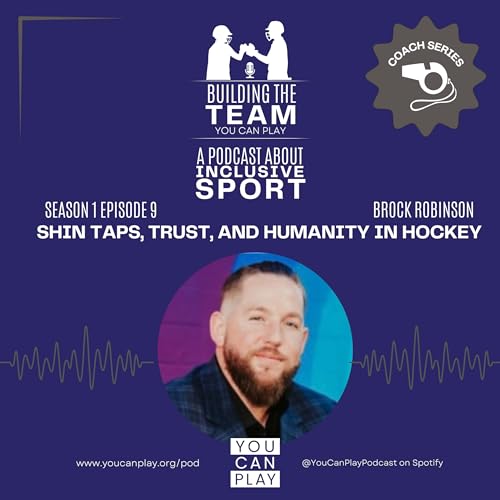
  • Shin Taps, Trust, and Humanity in Hockey with Brock Robinson
    2026/03/03

    In this episode of the You Can Play Podcast, Brock Robinson Barclay — lifelong athlete, hockey and baseball coach, and sport management professional — joins us to talk about how culture is built, one small moment at a time.

    Drawing on experiences across locker rooms, teams, and community events, Brock shares how trust and teaching are the foundation of a healthy team environment. From addressing slurs on the ice to celebrating players’ individuality off it, he reflects on what it means to create a space where everyone feels like they belong — not just as athletes, but as people.

    Brock talks about moving away from “punishment culture,” the difference between discipline and teaching, and how tiny gestures of care — like a shin tap — can rebuild trust when words fall short. His philosophy is simple but powerful: “If someone feels safe enough to be themselves on your team, that’s a win.”

    続きを読む 一部表示
    46 分
  • Grand Entrances + Big Finishes with David Smith
    2026/02/23

    In this episode of the You Can Play Podcast, David Smith — a strength and conditioning coach, mental performance coach, and sport & exercise science lecturer — joins us to explore the intersection of performance, psychology, and inclusion in sport.

    David shares lessons from years coaching across disciplines — from cheerleading to football to basketball — and how every great team starts with trust, not hierarchy. He talks about psychological safety as the foundation of performance, and why coaches must balance challenge with care: creating spaces where athletes can be uncomfortable enough to grow, but safe enough to stay.

    From redefining “banter,” to responding to exclusion, to supporting LGBTQ+ athletes with confidence and compassion, David offers a coach’s perspective grounded in science and empathy. His advice? Build relationships. Check in often. Be curious. And always — as he says — “make a grand entrance and a big finish.”

    続きを読む 一部表示
    55 分
  • Resilient, Not Invincible with Jonas Worth
    2026/02/17

    In this episode of the You Can Play Podcast, Jonas Worth — Canada West Commissioner, soccer coach, and lifelong educator — joins us to talk about what it really means to model the values we teach. From coaching through injury to addressing harmful language on the field, Jonas shares how small choices — a word, a tone, a question — can shift a team’s entire culture.

    He reflects on the difference between punishment and teaching, the courage it takes to say “I don’t know”, and the importance of vulnerability and boundaries in leadership. Whether he’s helping athletes return from injury or guiding teams through tough conversations, Jonas reminds us that great coaches aren’t invincible — they’re resilient, curious, and willing to grow right alongside their players.

    続きを読む 一部表示
    34 分
  • From Punishment to Empowerment with Juliana Jack
    2026/02/03

    This episode of the You Can Play Podcast features Juliana Jack (she/her) — a student advocate, assistant volleyball coach, and founder of McMaster University’s LGBTQ2SA+ Athletic Advocacy Group (LAAG). Juliana joins us to talk about accountability in coaching, and how reframing discipline as an opportunity to teach, not punish, can help young athletes grow in confidence and character. Drawing from her experience coaching girls aged 15–17, Juliana shares insights on creating team cultures rooted in empathy, empowerment, and respect, where every athlete feels seen and supported — on and off the court.

    続きを読む 一部表示
    1 時間 32 分