エピソード

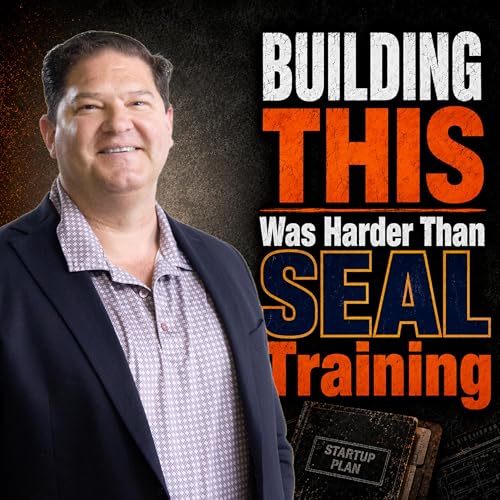
  • Hiring Veterans Is Broken. AI Might Fix It.
    2026/03/24

    The hiring system isn't broken because of a lack of talent. It's broken because companies don't understand it.

    Tim Best, CEO of RecruitMilitary, breaks down why thousands of highly trained service members struggle to translate their experience into civilian jobs, and how AI might finally bridge that gap.

    From retention challenges in Hampton Roads to the future of agent-driven hiring, this conversation explores where recruiting is heading, and what both job seekers and employers are getting wrong.

    00:00 Why hiring veterans is still misunderstood
    04:50 Hampton Roads retention vs other markets
    08:00 The real reason veterans leave Virginia
    12:00 Recruitment vs retention problem
    23:40 Why veterans struggle to translate skills
    27:30 How RecruitMilitary connects talent and employers
    33:00 AI enters recruiting, what changes
    38:50 The rise of agent-based hiring
    44:40 Why candidates never hear back
    49:10 Real example of skills mismatch
    56:30 The danger of AI bias in hiring
    1:02:00 Could AI create a better workplace?
    1:06:30 The 757's unexpected "signature food"

    About RecruitMilitary:
    RecruitMilitary connects veterans and transitioning service members with employers nationwide, helping translate military experience into civilian careers through events, technology, and recruiting tools.
    https://recruitmilitary.com

    About Innovate Hampton Roads:
    Innovate Hampton Roads is the 757's hub for startups, innovation, and business growth, connecting entrepreneurs, companies, and resources to build a stronger regional economy.
    https://www.innovate757.org

    続きを読む 一部表示
    1 時間 9 分
  • Wine Is Broken. This Startup Is Fixing It
    2026/03/17

    Christopher Anderson, Founder of Joy of Wine, joins The Fervent Four Show to break down one of the biggest hidden problems in the wine industry.

    Behind every bottle shipped direct-to-consumer is a complex web of state-by-state regulations that cost wineries time, money, and opportunity. Instead of accepting it, Anderson built Compliancevine to automate the process and turn hours of work into minutes.

    This episode goes beyond wine. It's about identifying real problems, building solutions that matter, and why the best startups solve pain, not just ideas.

    If you're building, investing, or curious where AI and SaaS are actually making an impact, this is worth your time. https://joyofwine.co/

    00:00 Are wine festivals worth it
    01:13 Finding a wine you actually like
    02:50 The rise of non alcoholic wine
    03:37 Virginia wine vs global regions
    05:05 Growth of non alcoholic options
    06:35 What sommeliers actually do
    10:46 Chris background in wine
    11:21 What Joy of Wine does
    12:00 The compliance problem explained
    14:30 Time and cost of compliance
    18:00 Why the system is broken
    20:55 Who the product is for
    21:52 The AI sommelier vision
    25:15 Why wine feels overwhelming
    28:38 The true cost behind a $10 bottle
    32:35 Expensive vs cheap wine
    34:50 A wine you love at a price you like
    36:26 Wine myths and glass shapes
    42:54 How onboarding takes 5 minutes
    44:25 Why only a 2 hour free trial
    46:15 757 Accelerate and local startups
    49:25 Biggest surprise building in 757
    50:33 Fundraising and growth plans
    52:15 How the business started
    55:48 Why solving pain matters
    59:08 Pairing wine with oysters
    01:00:48 Closing thoughts

    続きを読む 一部表示
    1 時間 1 分
  • Startup Founders Only Control 40% of Success | YC Founder Glen Moriarty
    2026/03/10

    Startup founders like to believe they control their destiny.

    According to 7 Cups founder Glen Moriarty, that's not true.

    "Founders can only control about 40% of the variables that determine whether a startup succeeds."

    In Episode 300 of The Fervent Four Show, Glen shares the real story behind building 7 Cups, a global mental health platform that connects people with trained listeners for emotional support.

    The conversation explores the early startup ecosystem in Hampton Roads, Glen's journey into Y Combinator, raising funding from investors like Sam Altman and Alexis Ohanian, and the brutal psychological reality of building a company.

    Glen also explains why startup founders struggle mentally, how YC forces founders to confront the real problems in their businesses, and why resilience and support systems matter more than most entrepreneurs realize.

    This episode dives into startup psychology, founder resilience, mental health, and the unpredictable nature of entrepreneurship.

    Listen to Episode 300 of The Fervent Four Show.

    00:00 Episode 300 of The Fervent Four Show
    01:20 How Zach first met Glen Moriarty
    03:30 The original 7 Cups pitch in a van
    06:10 Early startup ecosystem in Hampton Roads
    08:40 Glen's path to Y Combinator
    11:30 What YC was really like for founders
    15:10 DoorDash being in Glen's YC batch
    18:00 The biggest lesson from Y Combinator
    21:00 How YC Demo Day fundraising worked
    24:30 Raising early funding from Silicon Valley investors
    27:00 Why the company name changed from Seven Cups of Tea
    31:00 The original model for 7 Cups
    35:30 Why messaging worked better than voice support
    40:10 Startup competitions and why judges are often wrong
    44:00 The psychology of startup founders
    48:30 Why mental health is talked about more today
    53:00 Founder resilience and difficult childhoods
    58:00 Why founders only control 40% of startup outcomes
    01:02:30 The importance of support systems for founders
    01:06:00 Parenting, challenges, and building resilience
    01:09:00 Favorite Norfolk restaurant and closing thoughts

    7 Cups: https://www.7cups.com/

    続きを読む 一部表示
    1 時間 2 分
  • Why AI Breaks Without Real-World Data
    2026/03/03

    Most AI conversations skip the hardest part: the real world.

    Chris Machut has spent several decades building technology where mistakes are expensive, visibility is limited, and nothing works the way the software world assumes it does. From safety cameras on cranes and tugboats to founding SiteTrax, his work lives at the intersection of physical operations, logistics, and data.

    00:00 Intro and catching up
    02:31 How Chris and Zack first met
    04:41 Selling his first company
    06:41 Operator vs fundraiser reality
    08:56 Angel investing and pitching challenges
    12:11 Start Norfolk and early startup days
    15:46 Life inside Hatch and building HoistCam
    18:56 Tugboats, cranes, and blind spots
    22:00 Technical founders and pitching lessons
    24:21 Valuation mistakes and investor education
    27:31 Hatch closing and ecosystem reflection
    31:16 Sales fear and picking up the phone
    36:41 Still showing up and giving back
    39:31 What SiteTrax is today
    43:56 Grants, computer vision, and early AI
    47:31 Pandemic impact and SiteTrax pivot
    50:21 Why data matters more than AI
    52:16 Humans in the loop
    54:26 The future of AI and logistics
    57:41 OpenClaw and agentic AI experiments
    1:01:11 Trust, cost controls, and safeguards
    1:04:41 Final thoughts on builders and adaptation

    In this episode of The Fervent Four Show, Chris breaks down why AI fails without clean, real-world data, how blind spots in industrial and supply chain environments create risk and inefficiency, and what it actually takes to turn unstructured environments into usable intelligence. He also shares hard-earned lessons from bootstrapping companies, choosing operations over fundraising, and building products that integrate into existing systems instead of fighting them.

    This conversation is for founders, operators, and anyone tired of AI hype that ignores how work actually gets done.

    Learn more about SiteTrax: https://www.sitetrax.io

    Produced by Innovate Hampton Roads: https://www.innovate757.org

    続きを読む 一部表示
    1 時間 12 分
  • What Grit Looks Like When a Business Collapses
    2026/02/24

    What happens when something you spent more than a decade building disappears almost overnight?

    Angela M. Keaveny shares the unfiltered story behind ROWDYDOW bbq, from rapid growth and national contracts to a supply chain collapse that nearly ended everything. This is a conversation about grit, resilience, leadership, and why some founders keep going when others walk away.

    This is not a food story.
    It's a perseverance story.

    00:00 Eleven years to build, five minutes to lose it
    03:40 Turning a family recipe into a real business
    08:15 Scaling fast and landing national contracts
    14:10 The supply chain warning signs most founders miss
    22:05 The moment everything started to fall apart
    31:50 Losing Walmart, Sodexo, and momentum
    41:30 How close she came to walking away
    49:20 Why grit matters more than strategy
    56:40 Rebuilding, mentoring, and what comes next

    About The Fervent Four Show
    The Fervent Four Show is a weekly podcast hosted by Tim Ryan and Zack Miller, featuring candid conversations with entrepreneurs, innovators, and leaders shaping Hampton Roads and beyond. Each episode focuses on real stories, hard lessons, and what it actually takes to build something that lasts.
    Learn more at https://www.innovate757.org/ferventfour/

    Innovate Hampton Roads exists to tell the real stories of entrepreneurship happening across our region and beyond. We highlight founders, leaders, and builders who are shaping the future through action, not hype.

    If you care about entrepreneurship, leadership, and building something that lasts, subscribe and explore more at https://www.innovate757.org

    続きを読む 一部表示
    不明
  • Stop Caring What People Think or You'll Never Survive Being Seen
    2026/02/17

    Public exposure sounds exciting until you live inside it.

    Years of live television forced Kristen Crowley into visibility before she was ready, stripping away approval, confidence, and privacy. What followed wasn't polish. It was survival. This conversation explores what public pressure does to identity, why most people break under scrutiny, and how repeated exposure reshapes who you become.

    If you're building something publicly, whether in entrepreneurship, leadership, or creative work, this episode confronts the psychological cost no one prepares you for. Halfway through, Crowley explains the exact moment she stopped caring what people thought, and why everything changed after that.

    00:00 – Pressure is not a metaphor
    03:12 – Thrown into live TV with no training
    08:41 – Public criticism and psychological cost
    14:27 – When confidence stopped mattering
    20:05 – Identity versus approval
    26:18 – From television to entrepreneurship
    32:44 – "We have fun and we get shit done"
    36:10 – "Fuck your feelings" explained
    41:52 – Visibility, ego, and survival
    48:30 – Why most people break under exposure
    55:40 – What survives when approval is gone

    Learn more about Kristen's work at ReFRAME Your Brand:
    https://reframeyourbrand.com/

    続きを読む 一部表示
    1 時間 3 分
  • Why Ignoring AI Is Riskier Than Adopting It, A CEO Explains
    2026/02/10

    Pratik Kothari, CEO of TechArk, shares how he built a 120+ person global technology company spanning the US and India, and why embracing AI early has become a leadership imperative, not a risk.

    From launching TechArk while still employed full-time, to building a 24-hour global delivery model, to leading AI adoption internally before selling it externally, this conversation dives deep into modern leadership, global communication, and navigating rapid technological disruption.

    Topics include building trust across cultures, why waiting on AI is more dangerous than testing it, how leaders earn buy-in through execution, and why small community-driven events often matter more than massive conferences.

    This is a candid look at what it actually takes to build a resilient, future-ready company.

    00:00 Why leaders fear AI and how teams really respond
    02:03 The origin story of TechArk and its early experiments
    03:35 Growing to 120+ employees across the US and India
    04:42 Building a true 24-hour global operations model
    06:33 Why offshore tech projects fail and how to fix them
    09:25 How Pratik ended up in Norfolk and Hampton Roads
    12:48 The power of authentic startup communities
    18:42 How great leaders earn buy-in through listening
    22:48 TechArk's evolution from software to digital growth
    26:53 Why networking works better when money isn't the goal
    34:14 The AI challenge that changed TechArk internally
    38:38 Global attitudes toward AI, US vs India vs China
    44:07 How CEOs should evaluate AI risk and adoption
    49:10 Firing bullets before cannonballs, a growth strategy
    56:06 Advice for entrepreneurs building long-term relevance
    59:19 A local food recommendation that defines Hampton Roads

    1. Full conversation with Pratik Kothari on leadership, AI adoption, and organizational alignment, Fervent Four Show

    2. Learn more about TechArk and its AI-forward approach: https://www.techark.com

    3. AI Collective Hampton Roads, a community-led initiative focused on the human side of artificial intelligence and responsible AI education: https://www.theaicollective.ai/hampton-roads

    Want more stories like this on innovation, leadership, startups, and what's being built across Hampton Roads?

    👉 Subscribe to This Week in 757 — a curated weekly snapshot of the region's most important business, tech, and startup news.
    https://www.innovate757.org/newsletter

    続きを読む 一部表示
    1 時間 2 分
  • AI Is Moving Faster Than Anyone Is Ready For (Jobs, Robots, and What Comes Next)
    2026/02/03

    Artificial intelligence is advancing faster than most people are prepared for. Jobs are already being eliminated, AI agents are operating with real-world consequences, and robots are moving from novelty to inevitability.

    This conversation breaks down what's actually happening beneath the surface of the AI boom, why "today is the worst AI will ever be," and how economic disruption from AI is unfolding right now, not years from now. It explores job displacement that is already underway, the rise of agentic AI, how businesses are misusing tools without guardrails, and why safety and control are becoming urgent concerns.

    Rather than focusing on hype or tools of the week, the discussion stays grounded in how AI is being adopted, misunderstood, and accelerated in the real world, and what individuals and organizations need to understand before assumptions fall behind reality.

    00:00 AI economic disruption and what is coming
    02:10 Today is the worst AI will ever be
    06:05 Agentic AI and bots acting without guardrails
    11:05 AI job displacement is already happening
    13:27 Why junior roles are disappearing first
    16:10 Robots and the shift in physical labor
    25:10 Why AI needs a human layer and community
    35:20 A simple prompting framework anyone can use
    39:40 How to choose AI tools without shiny object syndrome
    51:25 AI safety AGI and the lack of an off switch

    About AI Collective Hampton Roads
    AI Collective Hampton Roads is building a practical, people-first AI ecosystem across the region, focused on education, responsible adoption, and real-world use cases for businesses, students, and organizations.
    Learn more: https://www.meetup.com/aicollectivehr/

    Follow AI Collective Hampton Roads: https://www.linkedin.com/company/ai-collective-hampton-roads/

    About Innovate 757
    Innovate 757 documents and shares what's being built across Hampton Roads, highlighting founders, operators, and the ideas shaping the region's innovation economy.
    Explore more stories: https://www.innovate757.org

    Follow Innovate 757: https://www.linkedin.com/company/innovate757/

    Stay in the loop: This Week in 757
    Get a curated snapshot of startup news, business stories, opportunities, and events across Hampton Roads delivered straight to your inbox.
    Subscribe to this week in 757: https://www.innovate757.org/newsletter

    続きを読む 一部表示
    1 時間 8 分