エピソード

  • Brand Voice
    2026/07/14

    Episode 7 of Position to Win. Brand voice. Belief, voice, tone. Why most brands argue about the top of the pyramid and never build the bottom. Why voice fails in the middle. Why Mailchimp's $12B exit was almost entirely about the sentences.

    Voice is strategy.

    Send us Fan Mail

    続きを読む 一部表示
    26 分
  • Brand Identity
    2026/07/07

    Brand identity runs far wider than the logo.

    Most of the time someone meets your brand, they are looking at the color, the type, the photography, the way things are spaced on a page. The logo is one member of the cast. The whole system is what people actually feel.

    Episode 6 is a walk through that system: the marks, the type, the imagery, the spacing, and the small rules that let people recognize you from a thousand feet with the logo nowhere in sight. We have some fun with the hidden ones (the FedEx arrow, the Amazon smile, the bear tucked in the Toblerone mountain), talk about why identity tends to break at the system and not the logo, and why, if you are already spending real money on marketing, a tight identity quietly makes every dollar work harder.

    The logos you remember all hide something worth finding. Start with the idea worth hiding. Subliminal Logos aren't made by accident but designed with the narrative in mind.

    Send us Fan Mail

    続きを読む 一部表示
    24 分
  • Brand Name
    2026/06/30

    Episode 5 is on naming. The Five Tests every name has to pass: distinctiveness, ownability, scalability, pronounceability, narrative load. The discovery method that pulls candidates out of your customers' own language.

    The cost of fixing a name later runs three to twenty times what getting it right would have cost.

    A name is the most permanent decision in branding. Choose it the way you would name a child.

    Send us Fan Mail

    続きを読む 一部表示
    25 分
  • Brand Architecture
    2026/06/23

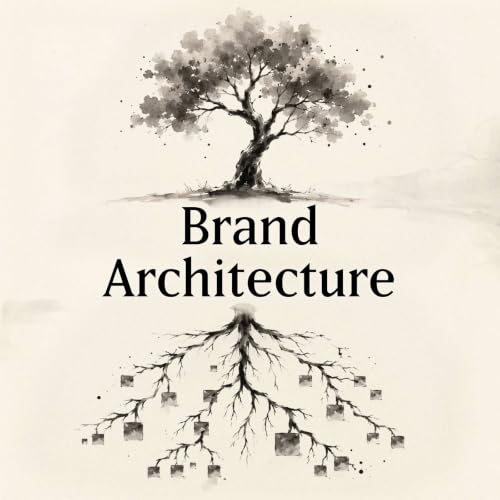
    A national food company hired my studio with a problem they could feel but couldn't name. They powered other people's brands. The meal kits, the grocery private label, the food-media darlings, all ran on their infrastructure. None of it carried their name.

    For over a year, leadership argued the same question in different rooms. Should we build our own consumer brand? Should we be visible? Invisible? Both?

    Underneath all of it sat an architecture question. And they couldn't move on naming, identity, website, or investor narrative until they settled it.

    This episode is about brand architecture. The org chart of your brand portfolio. The four shapes every portfolio takes. The four questions I use to choose between them. And how that food company won by retiring its own consumer brand and disappearing on purpose.

    If you have more than one brand-bearing offering, you have an architecture problem whether you've noticed it or not. The only question is whether you make the call on purpose, or by accident, through a thousand small choices no one writes down.

    Position to Win. For the challengers, and the founders and CMOs responsible for making it happen.

    Send us Fan Mail

    続きを読む 一部表示
    22 分
  • Brand ICP
    2026/06/17

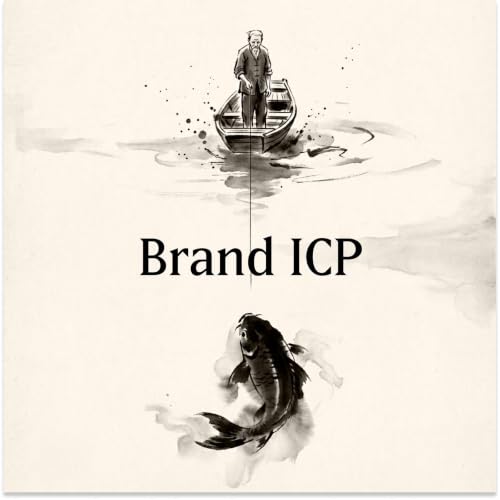
    Ask a founder who their customer is and you'll get a category. Enterprise SaaS. Recreational cannabis. Health-conscious consumers. None of those is an ICP. They're hiding places.

    This episode is about the most underrated decision in brand strategy, and the one most companies fake. Ideal Customer Profile. We do it backwards. We start with who it isn't.

    It is easier to write down who you'd walk away from than to invent the perfect customer from a blank page. Most revenue leaders can list five customer types they'd refuse before they can name one they'd build a brand around. The negative list is where the conviction lives. The positive list is where teams hide the fact that they don't have one yet.

    I'll give you the framework I've used across cannabis, healthcare, real estate, CPG, and B2B. I call it the Five Filters. Category. Context. Lifestage or revenue band. Trigger. Psychographic. Five questions, each one screening the audience tighter than the last. Each one paired with its inverse, because the "not" half is the half that does the work.

    The two filters most teams skip are the two that decide everything. The trigger, what actually makes someone go looking. And the psychographic, the self-image your customer is buying into.

    Two case studies carry the episode.

    Knack, the New York cannabis brand my studio built. Grown in the Adirondacks, sold in New York dispensaries. Its customer is a New Yorker with identity-level pride who buys cannabis the way they buy a six-pack. A regular, confident choice. The name narrowed the audience after we landed on it, and that second pass is what made the voice work.

    Liquid Death, canned water with two words on the can that signal the opposite of everything else on the shelf. Its customer cares about plastic waste and refuses to look like a kid holding a water bottle at a show. Same category structure as Knack. Completely different ICP shape. Neither brand could have run the other's playbook.

    You'll also get the discovery method. Interview your ten best customers. Read the unfiltered language in your reviews, your support tickets, your sales calls. Watch what they buy alongside you. Then a one-hour exercise you can run on Monday. Fill in the Five Filters by hand. Write the inverse for each one. Read both lists out loud and watch who in the room flinches. The flinch is where your ICP is still contested inside your own company, and that contested space is what's bleeding your marketing budget.

    Borrowed wisdom from April Dunford's Obviously Awesome and the book the whole field stands on, Ries and Trout's Positioning.

    The takeaway is simple. If you can't describe your ICP in one paragraph, with a real "not for" list, that's the most valuable hour of work you'll do this quarter. Not a rebrand. Not a new website. The ICP.

    Choose who you're for. Write down who you're not for. Everything downstream, your name, voice, identity, packaging, pricing, the sales script, is a tactical answer to one strategic question.

    For whom?

    Send us Fan Mail

    続きを読む 一部表示
    28 分
  • Brand Strategy
    2026/06/09

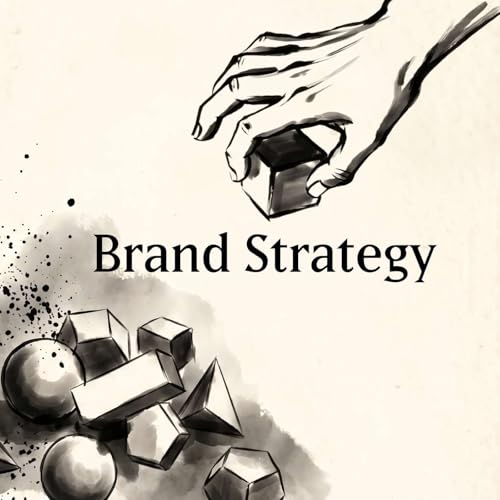
    Most companies do not have a brand strategy.

    They have a list of activities.

    This episode is about the single mental habit that separates the two. Strategy is choice. Activity is addition. One closes doors. The other refuses to.

    We will cover the 200-page brand document that taught me what real strategy is not. The three "brand pillars" that could have been written for any competitor. And the question every strategist should ask before signing off on anything:

    What did we decide not to do?

    Plus the difference between a theme and a position. Why your brand pillars probably belong on your competitor's slide too. And what it actually costs you when you refuse to choose.

    A tool you can use. A sharper way to look at your own brand.

    Send us Fan Mail

    続きを読む 一部表示
    24 分
  • Rock, Paper, Scissors
    2026/06/09

    A simple model for understanding what kind of company you are right now. And who you can actually beat.

    Scissors is the startup. Sharp focus. One ICP. One edge. Rock is the proven system. Durable. Repeatable. Paper is the giant. Suite. Spend. Distribution.

    Each one beats a different opponent. And almost every founder picks the wrong fight.

    Scissors loses when it tries to act like Rock. Rock loses when it tries to act like Paper.

    The smartest competitive move is almost always behind you. Not ahead of you.

    TikTok cut Facebook. Google cut Yahoo. Zoom cut the suites. Three companies that won by staying sharp while their bigger opponents tried to do everything.

    A tool you can use. A sharper way to look at your own brand.

    Send us Fan Mail

    続きを読む 一部表示
    12 分