エピソード

  • Salty Clouds aren’t the only strange thing about this object in space
    2026/06/26
    There’s an object in space 25 times the size of Jupiter that’s stumped scientists for years. They haven’t been able to figure out if it’s a planet or a failed star. But scientists are one step closer to an answer thanks to the powerful James Webb Space Telescope. After analyzing data collected by the telescope, astronomers have uncovered unexpected new clues floating light years away from us: Salty clouds sitting in space as hot as some home ovens. And if this mystery isn’t enough, we have more to look forward to in this episode, including insights into the evolution of laughter and the burials of ancient human relatives.

    Interested in more science in the news? Email us your question at shortwave@npr.org.

    Support public media with NPR+ and enjoy perks for over 25 podcasts like this one. It includes perks like bonus episodes, early access, archive access, curated playlists and sponsor-free listening. Learn more at plus.npr.org.

    See pcm.adswizz.com for information about our collection and use of personal data for sponsorship and to manage your podcast sponsorship preferences.

    NPR Privacy Policy
    続きを読む 一部表示
    9 分
  • Did Trump's foreign aid cuts fuel the Ebola outbreak?
    2026/06/24
    The Ebola outbreak in the Democratic Republic of Congo is growing – and is likely larger than official numbers show. The deadly disease spreads through bodily fluids, on average killing half the people it infects. And while officially declared in May, the case numbers point to the virus circulating for months without being detected. To make matters worse, there’s not a vaccine for this specific species of ebolavirus – at least, not yet. NPR global health correspondent Jonathan Lambert has been covering everything Ebola-related for the past month or so, and shares what he’s learned today.

    Interested in more health and science news? Email us your question at shortwave@npr.org.

    Support public media with NPR+ and enjoy perks for over 25 podcasts like this one. It includes perks like bonus episodes, early access, archive access, curated playlists and sponsor-free listening. Learn more at plus.npr.org.

    See pcm.adswizz.com for information about our collection and use of personal data for sponsorship and to manage your podcast sponsorship preferences.

    NPR Privacy Policy
    続きを読む 一部表示
    11 分
  • What can a tornado teach us about kindness?
    2026/06/23
    One evening in May of 2011, tornado sirens went off in a small Missouri city called Joplin. Thousands of homes were destroyed in the tornado, about a third of the town’s 50,000 residents were displaced and around 160 people died. And in the months following the tornado, the town became known not just for the destruction, but the kindness and cooperation that led to its recovery. Scientists who have studied behavior after mass traumas say, disasters can spark an outpouring of kindness and powerful bonds between strangers. Reporter Pauline Bartolone joins Short Wave co-host Emily Kwong to share the science behind this phenomenon.

    Interested in more science? Email us your question at shortwave@npr.org.

    Support public media with NPR+ and enjoy perks for over 25 podcasts like this one. This show’s perks include sponsor-free listening. Learn more at plus.npr.org.

    See pcm.adswizz.com for information about our collection and use of personal data for sponsorship and to manage your podcast sponsorship preferences.

    NPR Privacy Policy
    続きを読む 一部表示
    13 分
  • Inside the mysterious minds of horses
    2026/06/22
    Janet Jones has been fascinated by horses since childhood. She’s now a horse trainer and a neuroscientist, which allows her to explore the minds of the animals to which she’s devoted her life. She even recently wrote a book all about their brains. She says there’s an enormous gap between the way humans have relied on horses for tens of thousands of years – and what we actually know about their brains. And they have lots to teach us humans. That’s why we’re diving into science today.

    Interested in more science? Email us your question at shortwave@npr.org.

    Support public media with NPR+ and enjoy perks for over 25 podcasts like this one. This show’s perks include bonus episodes, early access, archive access, curated playlists, sponsor-free listening. Learn more at plus.npr.org.

    See pcm.adswizz.com for information about our collection and use of personal data for sponsorship and to manage your podcast sponsorship preferences.

    NPR Privacy Policy
    続きを読む 一部表示
    14 分
  • Why scientists launched two little robots to the moon
    2026/06/19
    Two tiny transforming robots landed on the moon! These baseball-sized bots accompanied Japan's first successful lunar lander. They rolled out of SLIM as balls and transformed into a rover. The bots cracked down the middle to reveal a little camera in the center. The halves then acted as spinning wheels that helped them waddle, bounce and roll over hard terrain as they explored. In this roundup of space news, we also get into the latest turn about how much the universe is expanding and the Earthly analogs NASA astronauts are using to prepare for the forthcoming Artemis mission.

    Interested in more space science? Email us your question at shortwave@npr.org.

    Support public media with NPR+ and enjoy perks for over 25 podcasts like this one. It includes perks like bonus episodes, early access, archive access, curated playlists and sponsor-free listening. Learn more at plus.npr.org.

    See pcm.adswizz.com for information about our collection and use of personal data for sponsorship and to manage your podcast sponsorship preferences.

    NPR Privacy Policy
    続きを読む 一部表示
    11 分
  • Is sewage the future of green aviation?
    2026/06/17
    The war in Iran has disrupted the global fuel supply. That has sent airline prices soaring and cancelled scores of flights. This got Short Wave host Emily Kwong wondering: Could another fuel source help take us to the skies? Today on the show, we explore the chemistry and cost of sustainable aviation fuel. Along the way, we highlight two initiatives to create a regional SAF supply – one in Washington and one in Pennsylvania.

    Interested in more stories about the future of flying? Email us your question at shortwave@npr.org.

    Listen to every episode of Short Wave sponsor-free and support our work at NPR by signing up for Short Wave+ at plus.npr.org/shortwave.


    See pcm.adswizz.com for information about our collection and use of personal data for sponsorship and to manage your podcast sponsorship preferences.

    NPR Privacy Policy
    続きを読む 一部表示
    13 分
  • Could air pollution make your memory worse?
    2026/06/16
    Summer is here, your windows are open and the smell of…car exhaust and the latest wildfire are wafting in. This air pollution is harmful to almost every organ, including the brain. Today on Short Wave, we talk about one way air pollution may cloud your memory.

    Interested in more episodes about how where we live affects us? Email us your question at shortwave@npr.org and we may turn it into an episode!

    Listen to every episode of Short Wave sponsor-free and support our work at NPR by signing up for Short Wave+ at plus.npr.org/shortwave.

    See pcm.adswizz.com for information about our collection and use of personal data for sponsorship and to manage your podcast sponsorship preferences.

    NPR Privacy Policy
    続きを読む 一部表示
    10 分
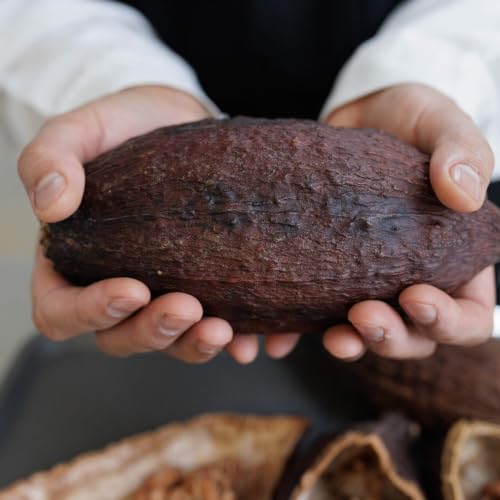
  • Inside the lab taste-testing the world's chocolate
    2026/06/15
    Could standardizing chocolate help small-scale farmers? Chocolate scientist Julien Simonis thinks it could help persuade consumers to pay for higher quality chocolate, in turn helping out these growers. Every cacao bean is different, and for a long time, there wasn't a standard way of comparing the quality of chocolate. But in 2009, a sustainable agriculture nonprofit started a program called Cacao of Excellence. The goal was to develop a standard way of evaluating cacao just like those sommelier’s do with wine. So today, we’re going behind the scenes of a chocolate laboratory to see just how cacao is evaluated.

    This story was originally reported for NPR by science correspondent Ari Daniel. Read the full story here.

    If you liked this episode, check out our episodes on how climate change is hurting chocolate production and how some people are making chocolate alternatives.

    Interested in more chocolate science? Email us your question at shortwave@npr.org.

    Listen to every episode of Short Wave sponsor-free and support our work at NPR by signing up for Short Wave+ at plus.npr.org/shortwave.


    See pcm.adswizz.com for information about our collection and use of personal data for sponsorship and to manage your podcast sponsorship preferences.

    NPR Privacy Policy
    続きを読む 一部表示
    10 分