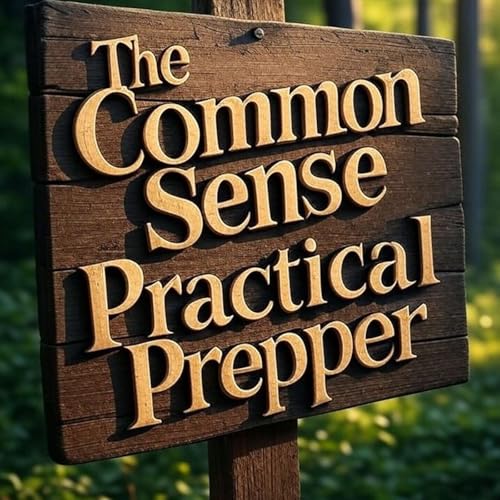
『The Common Sense Practical Prepper』のカバーアート

The Common Sense Practical Prepper

The Common Sense Practical Prepper

著者: Keith Vincent
無料で聴く

今ならプレミアムプランが3カ月 月額99円

2026年5月12日まで。4か月目以降は月額1,500円で自動更新します。

概要

Welcome to The Common Sense Practical Prepper: No doom, no zombies—just straightforward, budget-friendly tips for real-life preparedness. From food storage myths to bartering basics, I share what works for everyday folks.


I’ll also dive into situational awareness to stay sharp in any crisis, personal safety tips to protect yourself. Each episode ties real-world examples to current events, like recent storms or supply shortages, to keep you prepared. Have feedback or ideas?


Email practicalpreppodcast@gmail.com.


Support the podcast with Augason Farms, your go-to for reliable food storage. Use code PODCASTPREP for 10% off your order!


Please check out Augason Farms. Affiliate link below. Use PODCASTPREP at checkout for an additional 10% off your order.


https://augasonfarms.com?sca_ref=9315862.VpHzogdDNu

© 2026 The Common Sense Practical Prepper
個人的成功 社会科学 自己啓発
エピソード
  • A Simple Hygiene Plan Keeps You Alive In A Crisis
    2026/04/10

    Send us Fan Mail

    The fastest way to ruin a solid preparedness plan is to ignore the gross basics. When the grid is up, we barely notice sanitation systems doing the hard work for us. When the power drops or a hurricane, supply chain disruption, or long outage hits, toilets may stop flushing, trash starts stacking, and tap water can become riskier by the day. I’m Keith, and I’m taking our back-to-basics series into the part nobody loves talking about: emergency sanitation and personal hygiene that actually works.

    We dig into why poor sanitation historically killed more people than wars, including the real-world lesson of cholera outbreaks and how clean water and sewer systems changed everything. Then we get practical with a simple off-grid hygiene setup: the five-gallon bucket toilet lined with contractor bags, plus odor and moisture control using common items like kitty litter or sawdust. From there we cover handwashing as the real “gold standard,” how to plan water use around a two-gallons-per-person-per-day target, and why rotating supplies like baby wipes and hand sanitizer matters more than most people think.

    We also talk laundry without electricity, smart trash and waste management, and the real survival cost of sickness: one preventable stomach bug can pull multiple people away from critical tasks and burn through meds you may not have. We wrap with a listener water tip about freezing containers for ice blocks and a reminder that garden water is a separate problem worth solving with rain barrels.

    Subscribe, share this with a friend who’s building their first kit, and leave a review or comment so more people can find the show.

    https://augasonfarms.com?sca_ref=9315862.VpHzogdDNu

    Augason Farms
    Support the podcast. Click on my affiliate link and use coupon code PODCASTPREP for 10% discount!

    Disclaimer: This post contains affiliate links. If you make a purchase, I may receive a commission at no extra cost to you.

    Support the show

    Have a question, suggestion or comment? Please email me at practicalpreppodcast@gmail.com. I will not sell your email address and I will personally respond to you.

    続きを読む 一部表示
    14 分
  • Water Basics For Real Emergencies
    2026/04/04

    Send us Fan Mail

    If your “water plan” is crossing your fingers and trusting the city line, we made this one for you. I’m walking through a back-to-basics emergency water setup that doesn’t require pricey pumps, gravity systems, or a $300 filter. Just real-world water storage and water purification you can start today with simple supplies from the grocery store.

    We break down how much to store per person per day, why I prefer aiming higher than the standard one-gallon guideline when space allows, and how bottled water can cover drinking, cooking, and basic hygiene for short outages. We also talk honestly about microplastics: if you want to rotate faster, do it, but in an SHTF moment the priority is staying hydrated and functional.

    From there, we step up into larger containers like one-gallon jugs and 2.5-gallon jugs, how to label dates so rotation stays easy, and what to consider if you want serious home water storage using food-grade 55-gallon blue barrels. I share the practical storage rules that matter most, including keeping barrels away from chemicals, limiting light, and why you shouldn’t place plastic water barrels directly on a concrete garage floor.

    Finally, we get into emergency water treatment with unscented household bleach, the basic wait time, and what to do when water is cloudy. I also touch on steramine tablets for sanitizing and why bleach remains the safer default for treating drinking water. If you found this useful, subscribe, share the show with a friend, and leave a review so more people can find straightforward preparedness advice.

    https://augasonfarms.com?sca_ref=9315862.VpHzogdDNu

    Augason Farms
    Support the podcast. Click on my affiliate link and use coupon code PODCASTPREP for 10% discount!

    Disclaimer: This post contains affiliate links. If you make a purchase, I may receive a commission at no extra cost to you.

    Support the show

    Have a question, suggestion or comment? Please email me at practicalpreppodcast@gmail.com. I will not sell your email address and I will personally respond to you.

    続きを読む 一部表示
    11 分
  • Build A Budget Pantry With Real Grocery Food
    2026/03/27

    Send us Fan Mail

    Your pantry doesn’t need to look like a bunker to get you through real-world problems. We’re going back to basics and building a simple “food buffer” with normal grocery store food: the kind you can buy this week, store for a long time, and actually want to eat when you’re tired, stressed, or the lights are out.

    I walk through a starter list of cheap, shelf-stable staples that make real meals: rice, pasta, oats, beans and lentils, plus easy protein like peanut butter and canned tuna or chicken in water. We talk about rounding things out with canned vegetables and fruit, why honey and salt are two smart forever foods, and how small upgrades in flavor and calories can make a big difference when you’re living out of the pantry. I also share practical guidance on cooking fats, including why opened oil can go rancid, why smaller bottles often beat a giant sale jug, and why options like ghee can be surprisingly useful for long-term pantry cooking.

    Storage and rotation matter more than fancy gear. We compare Ziploc bags and mason jars, why cool and dark storage helps, and how first in, first out rotation keeps your emergency food supply fresh and prevents waste. I give you a simple one-week menu built from the buffer pantry, then zoom in on the most common scenario that makes this useful: a short power outage. We cover easy no-panic meals, cooking with a camp stove or butane stove, what’s ready to eat cold, and the key food safety reminder about 40°F when the fridge starts warming up. We also talk morale, because warm food and a few comfort snacks can keep the whole household steadier.

    If you want a budget-friendly pantry prep plan you can start on your next grocery run, hit play, then subscribe, share the show with a friend, and leave a review so more people can find practical preparedness.

    https://augasonfarms.com?sca_ref=9315862.VpHzogdDNu

    Augason Farms
    Support the podcast. Click on my affiliate link and use coupon code PODCASTPREP for 10% discount!

    Disclaimer: This post contains affiliate links. If you make a purchase, I may receive a commission at no extra cost to you.

    Support the show

    Have a question, suggestion or comment? Please email me at practicalpreppodcast@gmail.com. I will not sell your email address and I will personally respond to you.

    続きを読む 一部表示
    14 分
まだレビューはありません