エピソード

  • 20 Years in Hip-Hop: Flash Finga Flame's Unfiltered Truth About Making It Independent
    2026/03/23

    In this powerful episode of The Indie Unplugged, B. Vaughan sits down with Atlanta-born producer, engineer, and media entrepreneur Flash Finga Flame for a raw conversation about music, faith, independence, and surviving the modern industry. With over two decades in hip-hop culture, Flash Finga Flame shares how he evolved from playing instruments in Christian school to building his sound through the MPC, eventually working with artists like Crunchy Black, Baby Easy-E, and Nino Brown. He opens up about early rejection, family doubt, staying independent, and why he never abandoned his dream of becoming a major producer.

    The conversation also dives deep into today’s music business: AI-generated beats, producer culture, why marketing matters more than talent, and how platforms like Spotify and SoundCloud affect ownership and visibility for independent artists. Flash Finga Flame explains why he launched G.O.A.T Boyz TV & Magazine to help artists network and grow together, while also making it clear that his path is rooted in faith—not compromise. If you are an artist, producer, or entrepreneur trying to build something real without selling out, this episode is packed with hard truths and motivation.


    This is a public episode. If you'd like to discuss this with other subscribers or get access to bonus episodes, visit wecreatemusictv.substack.com/subscribe
    続きを読む 一部表示
    1 時間 3 分
  • Blizm Reveals Why Most Independent Artists Are Lying About Independence
    2026/03/15

    In this episode of The Indie Unplugged, Blizm sits down with B. Vaughan for a deep conversation about independence, longevity, ownership, and what it really took to survive Atlanta’s evolving music ecosystem. From moving to Atlanta in 1997 with nothing but ambition, to building K100 Radio and founding Chainless Entertainment, Blizm explains how technology changed everything for independent artists — from the early days of open mics, mixtapes, and pay-to-play radio, to today’s digital era where ownership still comes with heavy cost. He also speaks candidly about why many artists claiming independence are still tied to outside support, why labels continue targeting younger artists, and how true independence means carrying both creative freedom and financial burden.

    The conversation goes even deeper as Blizm opens up about surviving severe COVID, nearly losing his life, and how that experience pushed him to finally release The Dangerous Unk — his first full album in over 15 years. He breaks down why the project is a true legacy album, the meaning behind songs like “Three of Us” and “Head of Household,” and why mature artists are finally reclaiming space in hip-hop. The discussion also tackles AI in music, ownership splits, sync licensing realities, ageism in rap, and why authentic storytelling is becoming the one thing AI cannot replace.


    This is a public episode. If you'd like to discuss this with other subscribers or get access to bonus episodes, visit wecreatemusictv.substack.com/subscribe
    続きを読む 一部表示
    1 時間 26 分
  • Billboard Rejected LaRussell… But Did He Break the Rules or Expose the Game?
    2026/03/15

    In this episode, we break down the LaRussell and Billboard controversy and ask the question a lot of independent artists are afraid to answer: if you say you do not need the system, why does its validation still matter so much? We unpack how LaRussell’s direct-to-fan strategy, fan-driven pricing, live selling, and community-based rollout challenged the traditional chart system—and why Billboard and Luminate may have never been built to fully reward that kind of independent success in the first place. This conversation goes deeper than headlines and social media outrage to explore chart rules, sales tracking, pricing thresholds, bundle restrictions, and the bigger business politics behind who gets recognized and why.

    We also get into a larger conversation about independence, external validation, and what artists should really be focused on in today’s music industry. From Russ saying new artists should stop dropping albums too early, to the realities of building momentum through singles, content, and consistency, this episode is packed with real strategy for independent creators. On top of that, the conversation branches into celebrity obsession, Rihanna’s frightening home incident, and a sharp debate about fame, fan culture, and the unintended consequences of visibility. If you are an artist, producer, or music entrepreneur trying to navigate the industry without getting played by it, this is one you need to hear.


    This is a public episode. If you'd like to discuss this with other subscribers or get access to bonus episodes, visit wecreatemusictv.substack.com/subscribe
    続きを読む 一部表示
    1 時間 35 分
  • Shane Kidd on Losing Children, Depression & Why Hope Became His Message
    2026/03/15

    In this episode of The Indie Unplugged, Shane Kidd opens up about his journey from Dallas to becoming one of independent hip-hop’s most thoughtful voices—blending lyricism, faith, black consciousness, and personal healing into music that challenges listeners to think deeper. He talks about early influences like KRS-One, Nas, and Q-Tip, why Christian hip-hop shaped his early sound, and how projects like Student of Life, Learn to Live, and Good Morning became markers of his growth as both an artist and a man. The conversation also dives into CHH culture, authenticity, and why today’s artists must know who they are before chasing visibility.

    Shane also shares deeply personal moments behind Underground Hope—including grief, depression, writer’s block, losing two children through miscarriage, and how therapy, community, and faith helped him return to music with a new mindset. He explains why hope is resistance in today’s world, why independent artists need a real team more than co-signs, and how storytelling still matters in an algorithm-driven industry. From AI in music to mental health, faith tension, and building a career without losing yourself, this episode is full of wisdom for artists trying to stay authentic while growing their platform


    This is a public episode. If you'd like to discuss this with other subscribers or get access to bonus episodes, visit wecreatemusictv.substack.com/subscribe
    続きを読む 一部表示
    1 時間 25 分
  • Mz Coxx on Being SHOT, Fired Managers & Why Women Don’t Have to “Compromise”
    2026/02/28

    In this powerful episode of The Indie Unplugged, Mz Coxx sits down to talk about everything—from writing her first verse at 10 to building a full-scale entertainment brand with her family on payroll. She opens up about being shot and having to rebuild mentally and physically, firing managers who didn’t align with her vision, navigating a male-dominated industry without compromising her integrity, and why boundaries are non-negotiable for women in music.

    This isn’t just an artist interview—it’s a masterclass in ownership, resilience, and self-worth.Mz Coxx also breaks down what “mood music” really means, how she balances acting with music, why she believes in building generational wealth through structure (not handouts), and her five-year vision of running multiple multi-million dollar businesses under one umbrella. If you’re an independent artist—especially a woman—this conversation is packed with real gems about branding, burnout, business plans, mental health, and staying true to who you are in an industry that constantly tries to redefine you.


    This is a public episode. If you'd like to discuss this with other subscribers or get access to bonus episodes, visit wecreatemusictv.substack.com/subscribe
    続きを読む 一部表示
    1 時間 2 分
  • Isaac Hayes III EXPOSES Grammys, Ray Daniels ADMITS Artists Can’t Break, LaRussell Betrays Indies!
    2026/02/26

    Man, we back like we never left — and we unpacked a LOT. First up: the Grammys experience from the indie angle, Grammy House, real networking, and why the “independent grind” still wins when the work is right. Then we got into Isaac Hayes III’s point about geography and Grammy voting — and the real truth: it’s a campaign. If the biggest voting body is in L.A., you don’t get to be mad you lost if you never showed up. That’s not conspiracy… that’s strategy.From there, we zoomed out: Ray Daniels says the cultural infrastructure is collapsing — fewer real proving grounds — and we debated whether the roadmap is gone… or artists just don’t want to walk it. We also talked Larussell signing with Roc Nation (and why that’s not “selling out,” it’s leverage), the Epstein-file paranoia and why context matters, Spotify removing millions of streams and what that says about control, regional scenes coming back stronger than viral lottery tickets, and why closed-loop communities (Discord, SMS, Substack) are the future. Oh—and we had to touch the TI vs 50 mess, because… bruh.

    This Substack is reader-supported. To receive new posts and support my work, consider becoming a free or paid subscriber.

    Thanks for reading! This post is public so feel free to share it.


    This is a public episode. If you'd like to discuss this with other subscribers or get access to bonus episodes, visit wecreatemusictv.substack.com/subscribe
    続きを読む 一部表示
    1 時間 33 分
  • Spotify, Netflix, Patreon: The New Labels Are Here (And Creators Don’t See It)
    2026/01/14

    Hip-hop might be the culture… but the industry version is still built to own you. In this episode we break down why Salt-N-Pepa’s lawsuit got dismissed, what “work for hire” really means, and how artists can spend decades building a legacy—only to find out the paperwork never had their name on the value. If you’re signing through a manager, a company, or a “team,” we explain how secondhand deals can leave you with no masters, no publishing, and no leverage.Then we pivot to the new warning sign for creators: AI music platforms changing terms mid-game. Suno’s updated rights language raises the question—can you monetize a song but still not own it? We connect that to the bigger media play happening right now: podcast networks moving like labels, video rights becoming the real asset, and why Joe Budden’s business model proves most creators are building “shows,” not businesses. Plus, we talk Copyright Royalty Board rate-setting (2028–2032) and why the smartest creators stop waiting on streaming checks and start building direct-to-consumer income.

    Thanks for reading! This post is public so feel free to share it.

    This Substack is reader-supported. To receive new posts and support my work, consider becoming a free or paid subscriber.


    This is a public episode. If you'd like to discuss this with other subscribers or get access to bonus episodes, visit wecreatemusictv.substack.com/subscribe
    続きを読む 一部表示
    1 時間 35 分
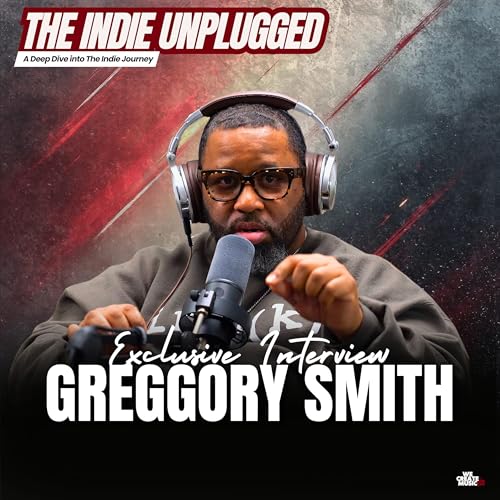
  • Greggory Smith’s RAW Interview: The Industry Lies, Broken Deals & God’s Unexpected Plan
    2025/12/10

    In this unforgettable and emotional episode of The Indie Unplugged, B. Vaughan and Tye Huntley sit down with one of the most respected but quietly powerful figures in the music business — Greggory Smith, former Regional Director of Creative Services at SESAC and the man behind stories that shaped modern R&B, pop, and songwriting culture. Greg opens up with a level of honesty rarely seen on camera: his beginnings as a PK who wasn’t allowed to listen to secular music, the accident that nearly destroyed his early music dreams, how he and his brother J. Que Smith (Usher, Beyoncé, Neyo, Marcus Houston) navigated the industry from nothing, and the real truth behind iconic records like My Boo and Confessions. He shares the hilarious, raw moment he knew Jack Harlow would be a star, the politics behind publisher rooms, why clubs still determine hits, and why some artists lose simply because their team wants it more than they do.But the episode takes a powerful turn when Greggory reveals how he battled burnout, betrayal, and broken industry relationships — and how God, two young songwriters (Bryce and Sierra), and an unexpected Christmas prayer led to the creation of Inc(k)., a collective poised to become one of the next major songwriting powerhouses. Greggory breaks down the emotional moment that moved him to tears, the record that changed everything (Santa Is Me by Coco Jones), and why he believes 2025–2026 will be their Grammy moment. This is more than an interview — it’s a masterclass in resilience, purpose, and navigating the industry without losing your soul. If you’re an independent artist, songwriter, manager, or creative, you NEED to watch this.

    Thanks for reading! This post is public so feel free to share it.

    This Substack is reader-supported. To receive new posts and support my work, consider becoming a free or paid subscriber.


    This is a public episode. If you'd like to discuss this with other subscribers or get access to bonus episodes, visit wecreatemusictv.substack.com/subscribe
    続きを読む 一部表示
    2 時間 10 分