エピソード

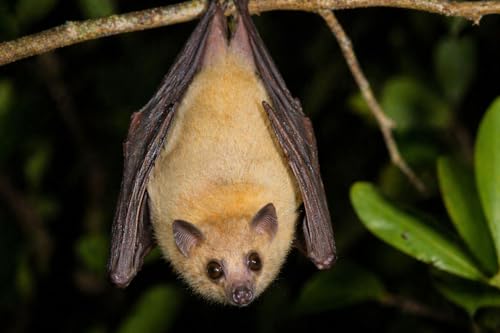
  • Episode 5: Furry, fabulous and fascinating bats!
    2026/04/22

    The Wildlife Podcast Episode 5: Furry, fabulous and fascinating bats!

    Did you know that bats may not only hold the key to a long life but also fruitful one? Or that they are one of the few mammals that can delay fertilization?

    Discover more about these impressive creatures and join award-winning journalists Laurel Neme and Jeffrey Barbee as we dive deep into the dusky mysteries of these elusive wild animals with one of the world’s most legendary bat researchers, Dr. Paul Racey.

    Paul Racey is the Regius Professor of Natural History emeritus at the University of Aberdeen and has dedicated his professional career to helping the world understand this incredible group of flying mammals. His more than six decades of groundbreaking research into bats have helped drive public policy and bat conservation efforts across the globe. And, as you will hear in this episode, from pest control to pollination - there is so much more to discover about bats!

    Wherever you are, you can be a part of bat conservation today.

    To start, check out the Bat Conservation Trust: https://www.bats.org.uk

    How to support bats in other places too:

    Bat Conservation International: https://www.batcon.org/

    BatLife Europe: https://www.batlife-europe.info/

    Bat Conservation Africa: https://www.batswithoutborders.org/

    AfricanBats: https://www.africanbats.org/

    AfriBats: https://www.afribats.org/

    Learn more about bats:

    IUCN SSC Bat Specialist Group: https://www.iucnbsg.org/

    North American Bat Monitoring Program: https://www.nabatmonitoring.org/

    Bats Without Borders: https://www.batswithoutborders.org/

    続きを読む 一部表示
    1 時間 2 分
  • Episode 4: Save the forest -save the raptors
    2026/04/08

    The Wildlife Podcast Episode 4: Save the forest -save the raptors!

    Discover how a groundbreaking new study on bird and forest ecology is delivering critical information about global forest health into the hands of policy-makers around the world.

    In this episode, award-winning journalists Laurel Neme and Jeffrey Barbee help sort the forest from the feathers with scientists Dr. Christopher O'Bryan, a conservation biologist at Maastricht University in the Netherlands, and Dr. Ralph Buij from Wageningen University in the Netherlands. Buij is also the Africa and Asia Conservation Director at The Peregrine Fund.

    The new study analyzed 369 forest-dependent raptor species using high resolution satellite data from 2001 to 2023. It has revealed previously unknown threats to these birds, but also illuminated critical ways to help successfully conserve them in the future.

    Check out the study: Rapid Global Deforestation Leaves Forest‐Dependent Raptors With Half of Their Suitable Habitat Remaining.

    Learn more about how you can help make a real difference to some of the most iconic birds in the world, wherever you live.

    You can support the Peregrine Fund:

    https://peregrinefund.org/

    Or volunteer at your local bird or wildlife sanctuary!

    Other exciting and vital ways to help raptors:

    https://parktrust.org/blog/how-you-can-help-save-birds-of-prey/

    Learn more about raptors here:

    https://peregrinefund.org/explore-raptors-species

    And here!

    https://raptor.umn.edu/about-raptors/learn-about-raptors

    Our theme music was produced just for our show by the amazing Joey Morra, check him out on his website at:

    www.joeymorra.com

    続きを読む 一部表示
    1 時間
  • Episode 3: Saving the Black-Footed Ferret’s little home on the prairie
    2026/03/25

    The WildLife Podcast Episode 3: Saving the Black-Footed Ferret’s little home on the prairie

    Delve deep into prairie secrets as we discover the startling connection between black-footed ferrets and prairie dogs and their importance for the preservation of the United State’s prairies.

    Did you know that more than a hundred different species rely on the North American prairie dog, and that it isn’t even a dog at all? Black-footed ferrets are one of them and are also the rarest mammals in North America, with only 300 left in the wild. They face a range of threats from habitat loss to fatal diseases, but there is hope!

    In this episode join Laurel Neme and Jeffrey Barbee as we work with this week’s conservation hero Chamois Andersen, Senior Representative for the Rockies and Plains Program for the non-profit Defenders of Wildlife.

    Because the black-footed ferret's survival is intertwined with the health of their main prey—prairie dogs—helping these carnivorous predators of the prairie also means focusing on the sustainability of prairie dog colonies, too.

    How can you help preserve prairie dogs and where you are?

    Get the toolkit here and get to work, there are all sorts of resources for kids and adults to support prairie dogs today!

    https://www.prairiedogcoalition.org/for-agencies-decision-makers

    Support and Donate to Defenders of Wildlife:

    https://defenders.org/

    Support The Prairie Dog Coalition:

    https://www.prairiedogcoalition.org/

    Why restore the prairie dogs' habitat? Learn more here:

    https://www.prairiedogcoalition.org/why-restore-prairie-dogs

    Read all about black-footed ferrets:

    https://defenders.org/wildlife/black-footed-ferret

    https://www.fws.gov/species/black-footed-ferret-mustela-nigripes

    https://www.blackfootedferret.org/

    https://wafwa.org/initiative-programs/black-footed-ferret/

    Even more information about our black-footed ferret friends in National Geographic:

    https://www.nationalgeographic.com/animals/mammals/facts/black-footed-ferret?loggedin=true&rnd=1769540942828

    Our theme music was produced just for our show by the amazing Joey Morra, check him out on his website at www.joeymorra.com

    続きを読む 一部表示
    55 分
  • Episode 2: LIONS -SHORT -Every lion has their own name
    2026/03/10

    Episode 2: Lions: The keystone species of the African savanna

    Did you know every lion has their own roar, much like a name, particular to that lion only?

    In this short episode, Laurel Neme and Jeff Barbee learn this fascinating detail about African lion conservation with noted researcher Andrew Loveridge. Check out our full episode, out now, for all the latest on lions!

    We discuss the importance of lion ecology and behavior, and the threats facing Africa’s last wild lions, which number only around 24,000. We dive into the advances and challenges of lion conservation, and do a deep dive into his personal experience studying Cecil the lion, whose death in July 2015 sparked international outrage.

    What you might not know? Cecil’s death also resulted in strong global interest in lions and their conservation after he was killed by an American trophy hunter.

    Guest:

    • Dr. Loveridge is a senior researcher at Oxford University’s WildCRU (Wildlife Conservation Research Unit) and the Director of the Lion Program for Panthera, a wild cat conservation organization.

    You can check out Dr. Loveridge’s book, Lion Hearted: The Life and Death of Cecil & the Future of Africa's Iconic Cats at this link: https://www.amazon.co.za/Lion-Hearted-Future-Africas-Iconic/dp/1682451208

    You Can Help Support Lions:

    Support the criitical work of Panthera:

    https://panthera.org/

    Lion Basics:

    https://panthera.org/cat/lion

    Top 10 Lion Facts You Might Not Know:

    https://panthera.org/blog-post/top-ten-lion-facts-you-might-not-know

    Love lions? You can help support community lion conservation through the following Ewaso Lions

    https://ewasolions.org/

    Or the Lion Guardians

    https://lionguardians.org/

    続きを読む 一部表示
    2 分
  • Episode 2: LIONS -The keystone species of the African savanna
    2026/03/10

    Episode 2: Lions: The keystone species of the African savanna

    Did you know every lion has their own roar, much like a name, particular to that lion only?

    In this episode, Laurel Neme and Jeff Barbee learn fascinating details about African lion conservation with noted researcher Andrew Loveridge.

    We discuss the importance of lion ecology and behavior, and the threats facing Africa’s last wild lions, which number only around 24,000. We dive into the advances and challenges of lion conservation, and do a deep dive into his personal experience studying Cecil the lion, whose death in July 2015 sparked international outrage.

    What you might not know? Cecil’s death also resulted in strong global interest in lions and their conservation after he was killed by an American trophy hunter.

    Guest:

    • Dr. Loveridge is a senior researcher at Oxford University’s WildCRU (Wildlife Conservation Research Unit) and the Director of the Lion Program for Panthera, a wild cat conservation organization.

    You can check out Dr. Loveridge’s book, Lion Hearted: The Life and Death of Cecil & the Future of Africa's Iconic Cats at this link: https://www.amazon.co.za/Lion-Hearted-Future-Africas-Iconic/dp/1682451208

    You Can Help Support Lions:

    Support the critical work of Panthera:

    https://panthera.org/

    Lion Basics:

    https://panthera.org/cat/lion

    Top 10 Lion Facts You Might Not Know:

    https://panthera.org/blog-post/top-ten-lion-facts-you-might-not-know

    Love lions? You can help support community lion conservation by following Ewaso Lions

    https://ewasolions.org/

    Or the Lion Guardians

    https://lionguardians.org/

    続きを読む 一部表示
    56 分
  • Episode 1: Vultures -The Soap Of The Savanna - The Wildlife Podcast with Laurel Neme and Jeffrey Barbee
    2026/02/23
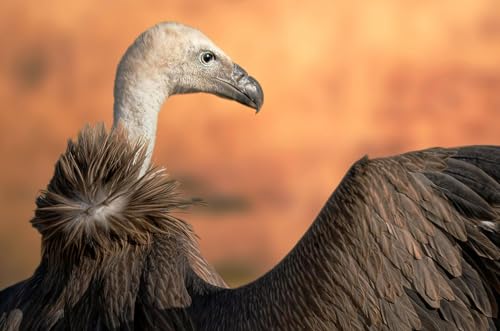
    THE WILDLIFE PODCAST EPISODE ONE: VULTURES In this episode, Laurel Neme and Jeff Barbee delve into the world of vultures—what they are, why they’re important, the threats they face, and what happens if we lose them. Guest: Dr. Corinne Kendall, conservation biologist and Southern Africa Program Director for The Peregrine Fund. Vultures are big, high-flying birds that can soar on thermals with little effort. They also have keen eyesight and sense of smell that lets them find carcasses even from miles away. They play a critical role in the ecosystem by consuming the remains of dead animals, which in turn keeps diseases at bay. On the African continent, vultures are in serious trouble. One of the main threats to them is poisoning. As scavengers, they're particularly susceptible—especially when carcasses are laced with lethal pesticides. This can lead to high mortality events and cause populations to plummet. Yet The Peregrine Fund, Endangered Wildlife Trust and others are doing a lot to help them, such as helping rangers find the birds in time for them to be rehabilitated. How You Can Help Support Vultures: Donate to both the Peregrine Fund and EWT, they are doing incredible work!: THE PEREGRINE FUND: https://peregrinefund.org/ ENDANGERED WILDLIFE TRUST: https://ewt.org/ EXPLORE MORE ABOUT VULTURES: https://peregrinefund.org/explore-raptors-... Do you have an amazing story/project or person that we should highlight? Get in touch at our email: greatwildlife.podcast@gmail.com
    続きを読む 一部表示
    56 分
  • SHORT: Why are vultures sometimes called "the soap of the savanna?"
    2026/02/20
    THE WILDLIFE PODCAST EPISODE ONE: VULTURES SHORT: THE SOAP OF THE SAVANNA In this episode, Laurel Neme and Jeff Barbee delve into the world of vultures—what they are, why they’re important, the threats they face, and what happens if we lose them. Guest: Dr. Corinne Kendall, conservation biologist and Southern Africa Program Director for The Peregrine Fund. Vultures are big, high-flying birds that can soar on thermals with little effort. They also have keen eyesight and sense of smell that lets them find carcasses even from miles away. They play a critical role in the ecosystem by consuming the remains of dead animals, which in turn keeps diseases at bay. On the African continent, vultures are in serious trouble. One of the main threats to them is poisoning. As scavengers, they're particularly susceptible—especially when carcasses are laced with lethal pesticides. This can lead to high mortality events and cause populations to plummet. Yet The Peregrine Fund, Endangered Wildlife Trust and others are doing a lot to help them, such as helping rangers find the birds in time for them to be rehabilitated. How You Can Help Support Vultures: Donate to both the Peregrine Fund and EWT, they are doing incredible work!: THE PEREGRINE FUND: https://peregrinefund.org/ ENDANGERED WILDLIFE TRUST: https://ewt.org/ EXPLORE MORE ABOUT VULTURES: https://peregrinefund.org/explore-raptors-... Do you have an amazing story/project or person that we should highlight? Get in touch at our email: greatwildlife.podcast@gmail.com
    続きを読む 一部表示
    3 分