『Navigating India』のカバーアート

Navigating India

Navigating India

著者: Navigating India
無料で聴く

今ならプレミアムプランが3カ月 月額99円

2026年5月12日まで。4か月目以降は月額1,500円で自動更新します。

概要

India is an unnatural nation accommodating multitudes and sustaining a million mutinies. Through conversations with authors, academics, activists and thinkers, this podcast attempts to navigate through the story of this complex nation.Navigating India アート 文学史・文学批評
エピソード
  • Carrying Worlds Across Languages
    2026/04/11

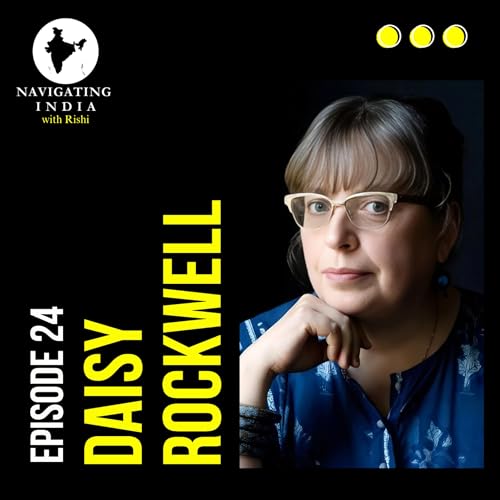
    Daisy Rockwell is an author, translator, and painter based in the United States, who translates from Hindi and Urdu into English, and has brought some of the most significant voices of South Asian literature to readers across the world. Her translation of Geetanjali Shree’s Tomb of Sand won the International Booker Prize in 2022, the first Hindi-language novel to receive that distinction.

    In this episode, I am in conversation with Daisy to talk about her journey into Hindi and Urdu, the craft of literary translation, her first encounter with India, what artificial intelligence means for the future of the craft of translation, and much more. Dive into the episode to find out.

    References:

    1. Daisy Rockwell: Website, Instagram
    2. Alice Sees Ghosts: A Novel by Daisy Rockwell
    3. Works translated by Daisy Rockwell: Tomb of Sand by Geetanjali Shree, Falling Walls by Upendranath Ashk, The Women’s Courtyard by Mastur Khadija, Tamas by Bhisham Sahni
    4. Yashpal: This Is Not That Dawn: Jhootha Sach, Dada Comrade
    5. Speaking of Siva by A.K. Ramanujan
    6. Lessons learned: Susanne and Lloyd Rudolph, in memoriam
    続きを読む 一部表示
    1 時間 2 分
  • What Women Want: Understanding The Female Voter in Modern India
    2026/04/05

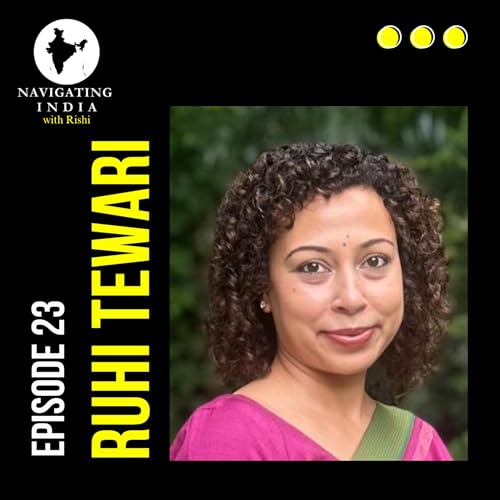
    In the long history of post-Independence India, the woman voter was invisible, rarely spoken about, and almost never listened to. But today, something has changed. Women are voting in greater numbers than ever before, making independent choices and holding politicians accountable. Journalist Ruhi Tewari draws on two decades of travelling across various states in India, covering elections, to trace the emergence of this 'Mahila voter'. She explores how women vote, and why. Tune in to the episode to find out more.

    References:

    1. Ruhi Tewari: Instagram, X, LinkedIn
    2. Book: What Women Want: Understanding The Female Voter in Modern India by Ruhi Tewari
    続きを読む 一部表示
    43 分
  • A Woman of No Consequence: Memory, Letters and Resistance in Madras
    2026/03/30

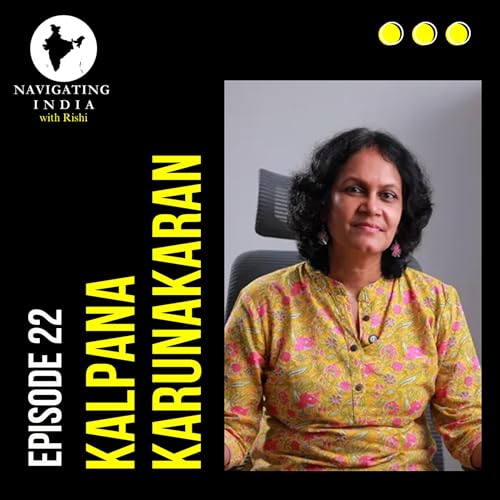
    What does it mean to recover the life of a woman who called herself a ‘humble housewife tied to mundane work’? In this episode, I am in conversation with Kalpana Karunakaran to discuss her book, ‘A Woman of No Consequence: Memory, Letters and Resistance in Madras’, a remarkable excavation of the life of Pankajam, a woman who defies easy categorisation.

    Pankajam was a voracious reader who sought freedom from a fractured relationship with her husband. Her memories are vivid and layered, marked by a deep love for children, a spirit of travel, friendships forged across distances, and an attentiveness to nature, birds, and animals. Through it all, she reinvented motherhood entirely on her own terms. We explore why it matters to study a woman like Pankajam, someone who does not fit neatly into the conventional subject of feminist discourse and what her life reveals about resistance, memory, and selfhood. We also talk with Kalpana about her own mother, Mythily Sivaraman, a well-known Indian women’s rights activist.

    References:

    1. Kalpana Karunakaran: Profile, Instagram
    2. Book: A Woman of No Consequence: Memory, Letters and Resistance in Madras by Kalpana Karunakaran
    3. Tamil Nadu Science Forum
    4. Mythily Sivaraman, Fragments of a Life: A Family Archive by Mythily Sivaraman (Life story of Subbalakshmi)
    5. Indian Association of Women’s Studies, Vina Mazumdar
    6. Jane Austen, Louisa May Alcott (Little Women), Anton Chekhov, Alexander Pushkin, Leo Tolstoy, Katha Prize Stories
    7. Women’s India Association, All India Women’s Conference
    8. Sarda Act: Child Marriage Restraint Act, 1929
    9. Katherine Mayo and her book, Mother India (1927)
    10. Mary Rajamani, Valentina Tereshkova
    続きを読む 一部表示
    1 時間 23 分
まだレビューはありません